Chapel Hill, North Carolina
Water Filtration in Chapel Hill, NC for City and Well Water
Chapel Hill's water system (operated by OWASA) draws from University Lake and Cane Creek Reservoir. Most residents notice chloramine taste, dry skin after showers, and questions about PFAS in the regional water supply. For homes on private wells in rural Chapel Hill and Chatham County, the challenges are different: iron staining, sulfur smell, hard water, and acidic pH that corrodes copper pipe. We test yours first, then recommend what actually fixes it.
Mon-Sat 8:00 AM - 6:00 PM • Serving Chapel Hill & the surrounding Triangle, on city and well water
Free Chapel Hill Consultation
Tell us about your water and we'll get right back to you. Prefer to talk? Call (984) 384-6991.
Locally Focused
100% dedicated to Raleigh & the Triangle
Free Consultation
We review before we recommend anything
City & Well Water
Both sides of the meter, done right
Up-Front Pricing
Know the price before we start
Chapel Hill City Water: OWASA System and Chloramine
Chapel Hill's water is operated by OWASA (Orange Water and Sewer Authority), which draws from University Lake and Cane Creek Reservoir. The system disinfects with chloramine, which leaves a chemical taste and dry-skin feel that many Chapel Hill residents notice. For drinking and cooking, many families add a reverse osmosis system under the kitchen sink. For showers and laundry, a whole-house carbon filter removes the chloramine at the point where water enters your home. Our guide to whether Chapel Hill tap water is safe to drink covers what OWASA's own report shows.
PFAS (forever chemicals) has been detected in regional surface water supplies. Reverse osmosis at the tap provides final filtration for drinking water. We test your specific tap and explain what you actually need before recommending equipment.
Wells in Rural Chapel Hill and Chatham County
Move out toward the Chatham County border and many Chapel Hill-area homes are on private wells rather than town water. Those wells follow the same Piedmont red-clay pattern as wells throughout the region: iron that stains fixtures orange, hydrogen sulfide that makes water smell like rotten eggs, hardness that scales water heaters, acidic low pH that corrodes copper pipe, and occasional bacteria after heavy rain.
A well on Chapel Hill's edge may be feet away from a home on town water, but they need completely different treatment. We start with a free in-home consultation that reads your hardness, iron, pH, and other key numbers on the spot. For bacteria or PFAS concerns, we arrange certified lab testing. Only after we know what is in your water do we design the system that actually fixes it.
Real Chapel Hill Water Problems We Solve
Home buyers on Chapel Hill-area wells often get surprised during inspections. A test ordered for the sale finds coliform bacteria that the previous owner never treated, or acidic water eating the copper pipe, or iron that is slowly staining everything orange. Where the reading calls for treatment we can design and install it against the closing date, and where it points at the well itself, a cracked casing or a failed cap, that is a certified well contractor's repair rather than a filtration job. The result depends on what the retest shows, so nobody should promise you a clean certificate in advance of one.
Chapel Hill families already in their homes notice chloramine taste that detergent companies cannot solve with a better soap, spotty dishes that come out of the dishwasher no matter the cycle, or gradual blue-green staining on fixtures that signals acidic well water may be dissolving the copper. A water test is what separates those causes, and the treatment that follows depends on which one the numbers actually show.
Water Treatment Services in Chapel Hill
The same testing-first process and up-front pricing we bring to every Chapel Hill home. Each service has its own dedicated page explaining exactly what we do.
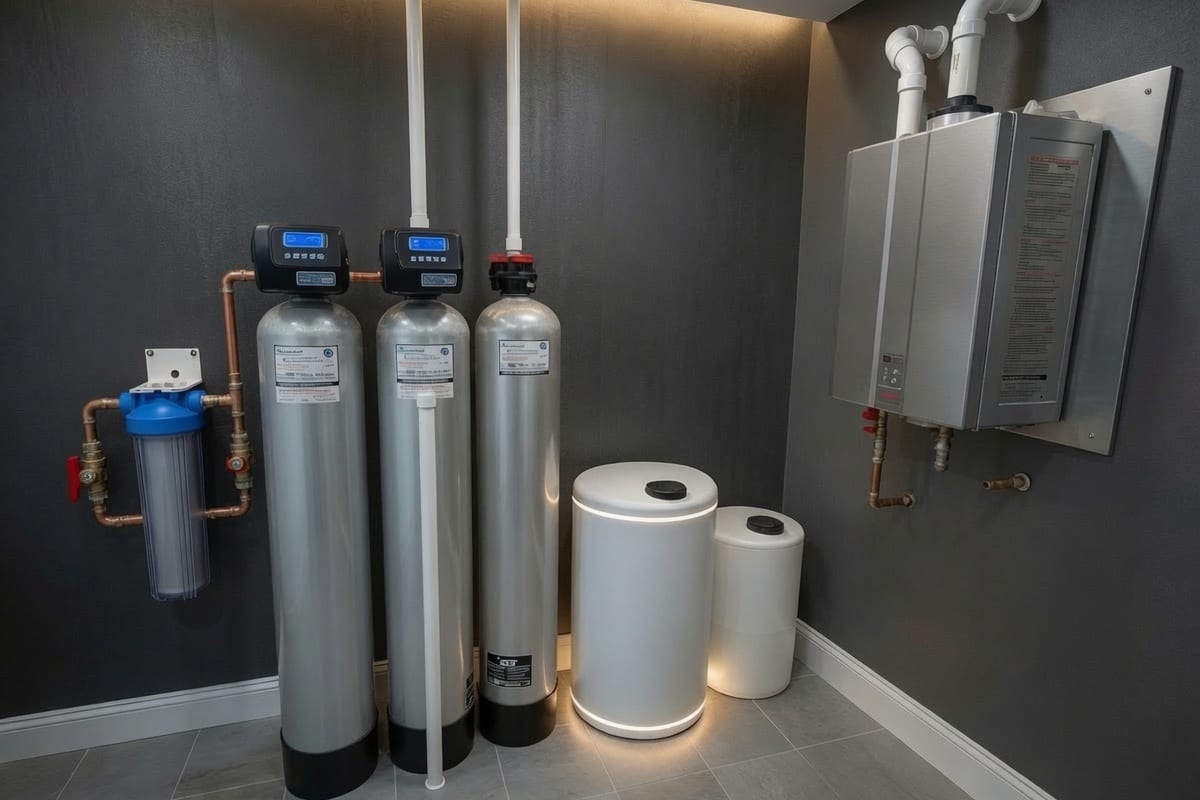
Whole House Water Filtration
Point-of-entry carbon filtration that removes chlorine, chloramine, and taste and odor from every tap in your Raleigh home.
Learn more →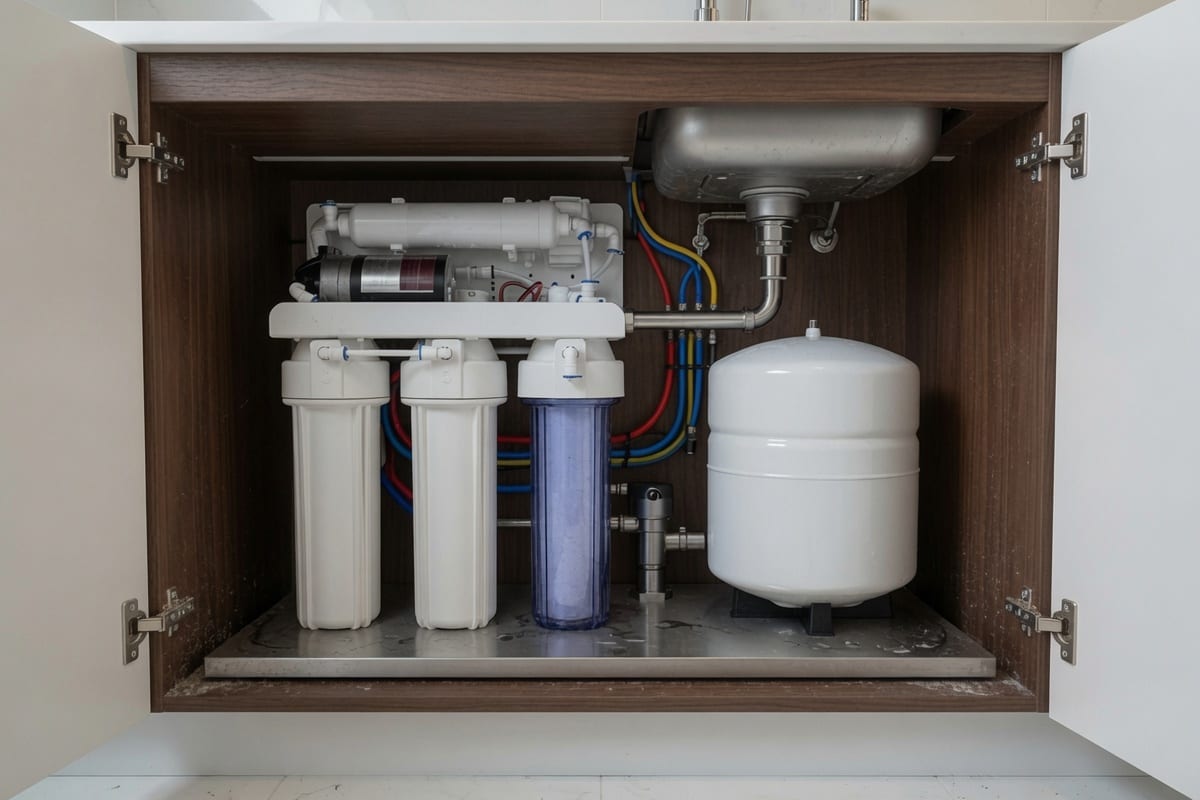
Reverse Osmosis Drinking Water
Under-sink reverse osmosis for bottled-quality drinking water that removes PFAS, lead, and dissolved solids at the tap.
Learn more →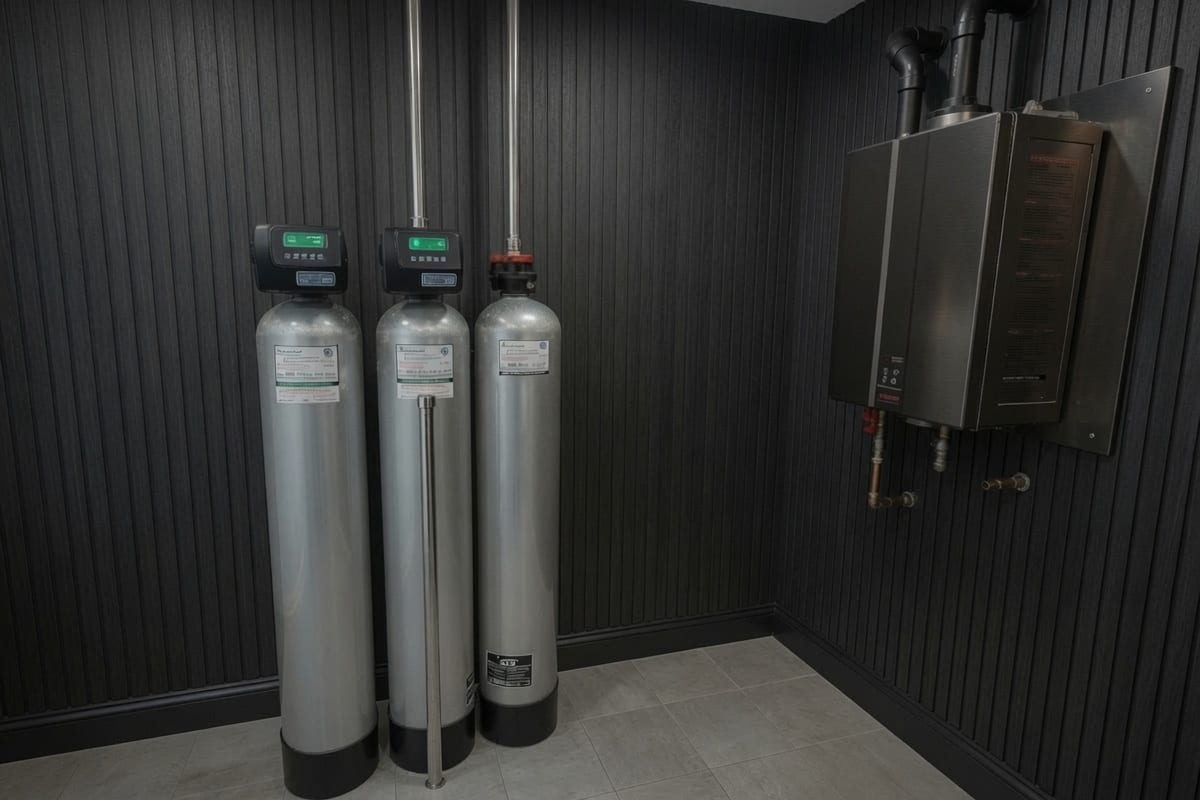
Well Water Treatment
Complete well water systems for iron, sulfur, hardness, acidity, and bacteria across the Triangle's rural fringe.
Learn more →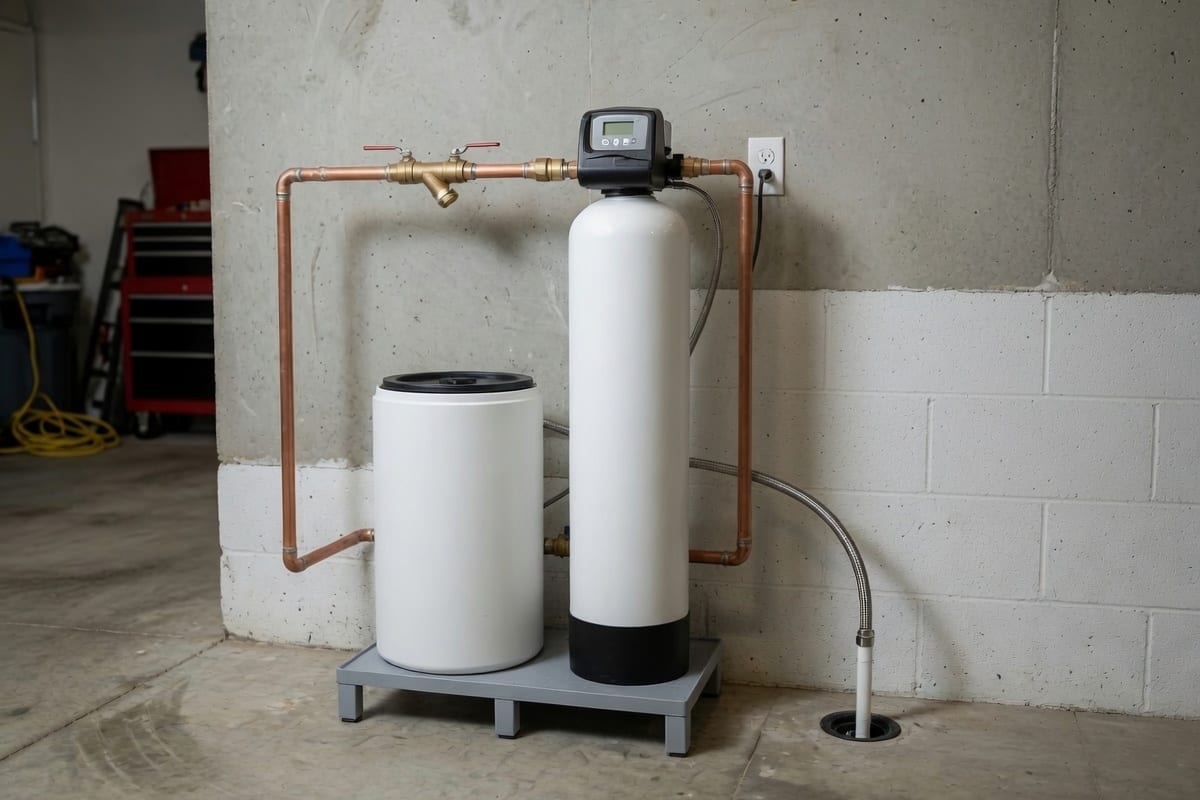
Water Softener Installation
Ion-exchange softeners that stop scale, protect water heaters, and end spotty dishes from hard well and city water.
Learn more →Carbon Filtration Systems
Catalytic and activated carbon media that strips chloramine, chlorine, and organic taste and odor out of Triangle water.
Learn more →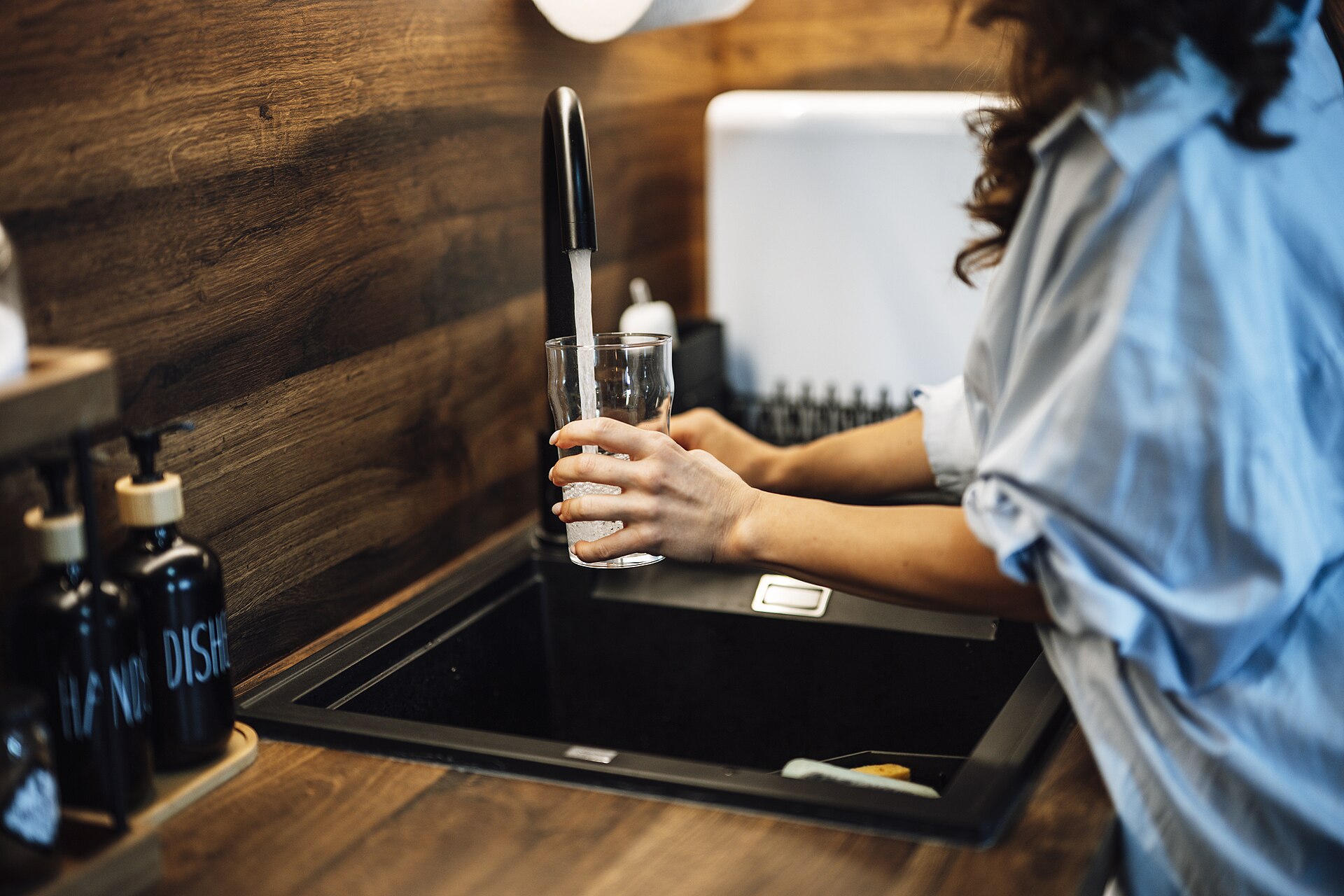
City Water Treatment
Treatment built for municipal supply: chloramine, disinfection byproducts, PFAS, and the taste that comes with treated surface water.
Learn more →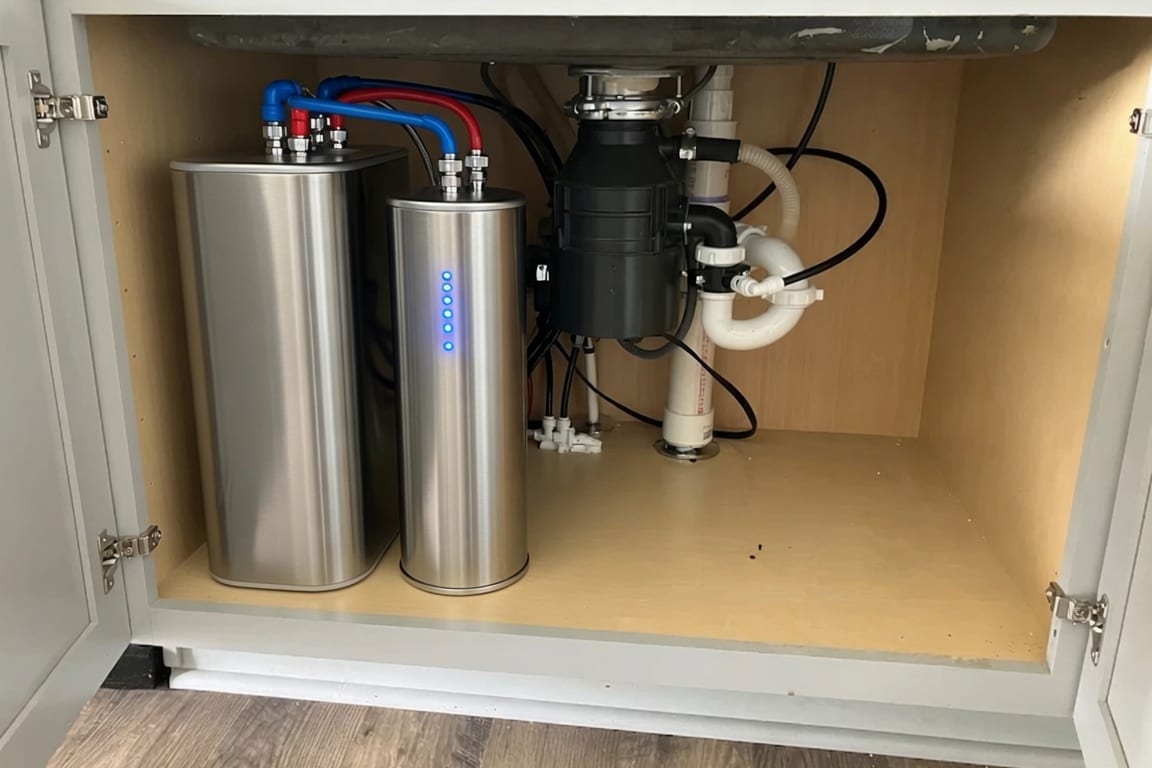
Iron & Sulfur Removal
Targeted filtration that clears orange staining and rotten-egg smell out of well water for good.
Learn more →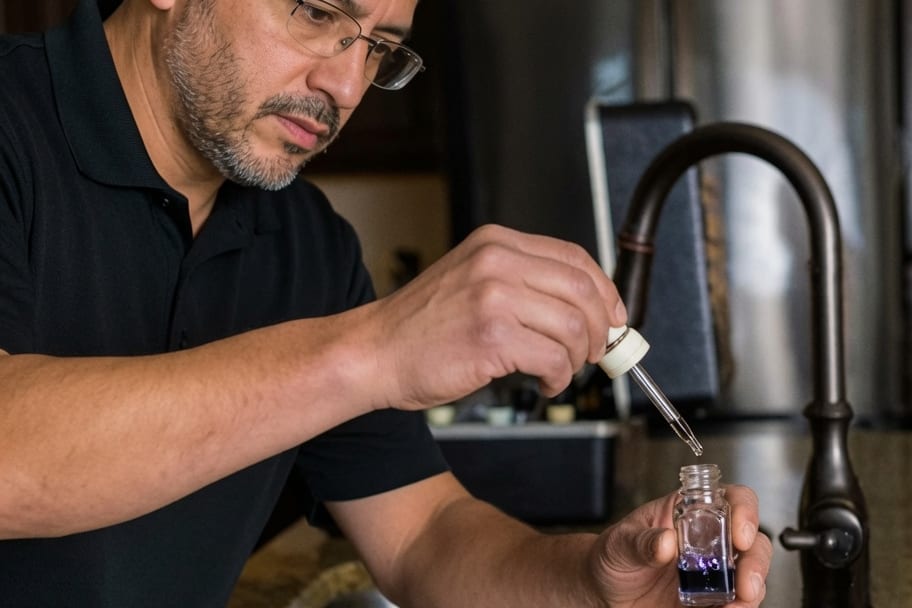
Water Testing & Analysis
In-home water testing that identifies exactly what is in your water before anyone recommends equipment.
Learn more →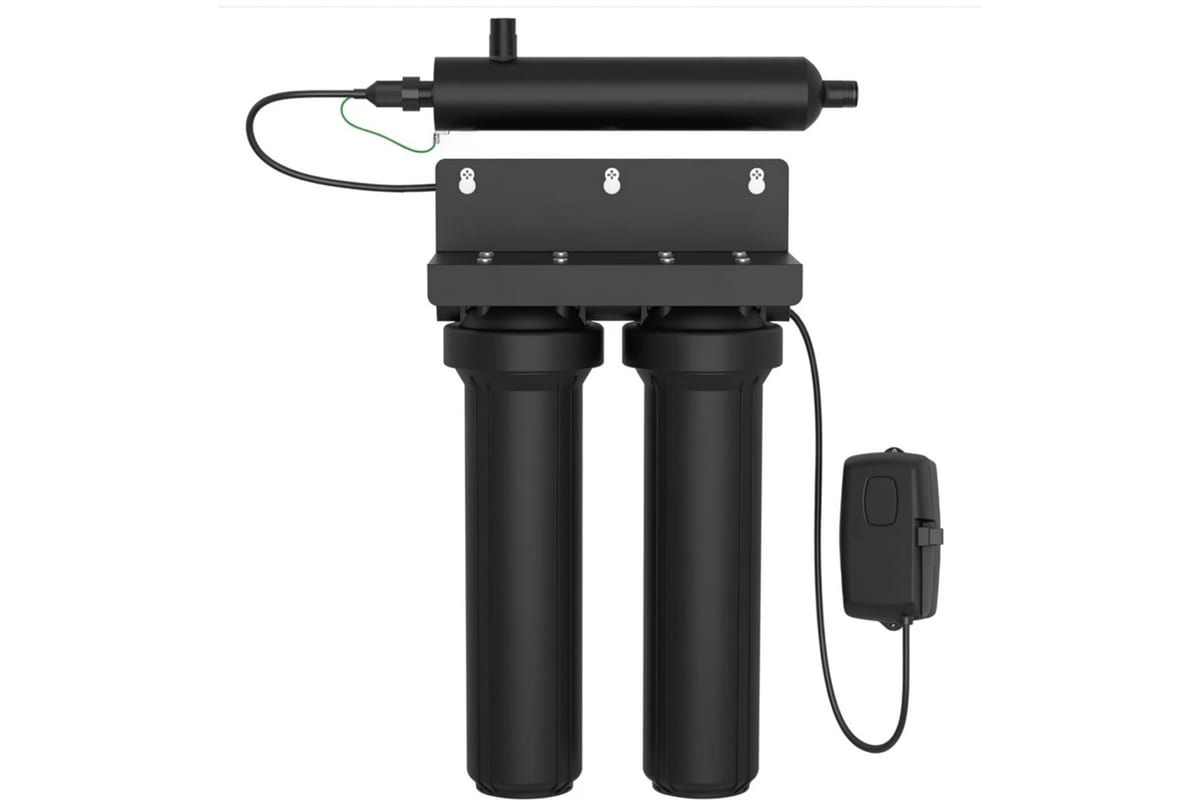
UV Water Purification
Ultraviolet disinfection that kills bacteria and viruses in well water without chemicals.
Learn more →How Water Treatment Works in Chapel Hill
Free Consultation
We test your water in your home, city or well, for hardness, iron, pH, chlorine, sulfur, and more. You see exactly what is in it before anyone talks equipment.
Honest Recommendation
We match a system to your actual water and your budget. If you do not need something, we tell you. No scare tactics, no overselling.
Clean Installation
Licensed, tidy installation at your point of entry or under the sink, sized correctly and plumbed to code so it performs for years.
Follow-Up & Service
We show you how it works, then handle salt deliveries, filter changes, and service so the system keeps doing its job.
Want numbers first? See the full Triangle water system pricing guide, the same pricing applies in Chapel Hill.
Serving Every Chapel Hill Neighborhood
Chapel Hill city water serves the main town and southern neighborhoods, where carbon filtration for chloramine and reverse osmosis for drinking water are the most common solutions. Rural Chapel Hill toward Chatham County and the well-water communities north of town need well water treatment systems designed around their specific test results.
Neighborhoods and areas we regularly work in around Chapel Hill include Chapel Hill city, Ridgewood, Westwood, North Chapel Hill, Rural Chapel Hill, Chatham County (Chapel Hill area), Carrboro border, Morgan Creek, Burnham wood, and the surrounding communities. Wherever you are in Chapel Hill, you get the same free water test, the same up-front pricing, and the same local team.
Chapel Hill Water Treatment Questions, Answered
Is Chapel Hill city water safe to drink as-is?
Chapel Hill's municipal treatment meets EPA standards, so it is legally safe. However, many residents notice chloramine taste and smell and prefer to add point-of-use treatment. A reverse osmosis system under the kitchen sink improves taste and removes PFAS that has been detected in the regional surface water supply.
Do I need whole-house filtration on Chapel Hill city water?
You need it if chloramine taste or dry skin bothers you. A whole-house carbon filter removes chloramine at every tap. Pair it with under-sink reverse osmosis for drinking water, and you have solved both the taste issue and any concern about trace contaminants. We price it for your home after a free consultation.
I have a well in rural Chapel Hill toward Chatham County. What problems should I expect?
Piedmont red-clay wells commonly show iron staining (orange on fixtures), hydrogen sulfide (rotten-egg smell), hardness of 10 to 20 grains per gallon or higher, acidic low pH that eats copper pipe, and occasional bacteria after rain. An annual water test catches changes early; that test is the first step in designing treatment.
My Chapel Hill home inspection found bacteria in the well. What now?
Bacteria means the well either has a compromised casing, sits too close to a septic system, or is shallow enough to catch surface water after rain. We combine UV disinfection, often with pH correction and iron removal depending on your full test results. The system is designed around your specific findings, and a follow-up test confirms the water is safe.
Does Chapel Hill have hard water?
City water from University Lake is soft to moderate, so hardness is not usually a major Chapel Hill town concern. Wells in the rural fringe do often run hard (10+ GPG), which is why well owners need a water test. Even a seemingly soft city-water home might benefit from a softener if there is some family history of eczema or sensitive skin, since hard water makes soaps and shampoos perform poorly.
How often should I test my Chapel Hill well?
North Carolina recommends testing private well water at least once a year, and any time the taste, color, or smell changes. Wells can shift over time as the aquifer responds to rainfall and usage, so annual testing catches rising iron or a drop in pH before they cause damage.
Nearby Areas We Serve
We cover Chapel Hill and the surrounding Triangle. Each town has its own water story, so pick yours for the local detail.
Get your free Chapel Hill consultation today
Call now or send the quick form. We test your water, explain what is in it, and give you an up-front written price. Proudly serving Chapel Hill, NC.