Durham, North Carolina
Water Filtration in Durham, NC Done by Local Specialists
Durham runs its own water system, separate from Raleigh, drawing from Lake Michie and the Little River reservoir up in the north of the county. That city water is disinfected with chloramine, which is the main reason a lot of Durham homes, from Trinity Park to the Southpoint area, notice a chemical taste and dry skin. Head into rural north Durham County toward Bahama and Rougemont and you are often on a private well instead. We test yours first.
Mon-Sat 8:00 AM - 6:00 PM • Serving Durham & the surrounding Triangle, on city and well water
Free Durham Consultation
Tell us about your water and we'll get right back to you. Prefer to talk? Call (984) 384-6991.
Locally Focused
100% dedicated to Raleigh & the Triangle
Free Consultation
We review before we recommend anything
City & Well Water
Both sides of the meter, done right
Up-Front Pricing
Know the price before we start
Durham City Water: Its Own System, Its Own Taste
It is a common mistake to assume Durham shares Raleigh's water. It does not. Durham operates an independent municipal system supplied by Lake Michie and the Little River reservoir in the northern part of the county. The water is treated and then disinfected with chloramine, a blend of chlorine and ammonia that stays stable through the distribution pipes but leaves a chemical, sometimes pool-like taste that many residents want gone. Our guide to whether Durham tap water is safe to drink goes through the city's own report.
Chloramine also tends to dry out skin and hair and can leave a lingering odor in the water you cook with. A whole house carbon filtration system removes it at the point where water enters your home, so every faucet and shower runs cleaner-tasting, softer-feeling water. Because chloramine is harder to remove than plain chlorine, the carbon has to be sized with enough volume and contact time, which is something we match to your home rather than guess at. Our guide to whole house filters on city water covers when one is worth it.
For the water you actually drink, many Durham families add a reverse osmosis drinking water system under the kitchen sink. It gives you clean, great-tasting water for drinking, coffee, and cooking, and it reduces lead that can come from older fixtures in Durham's many historic homes, plus dissolved solids the tap leaves behind.
Hardness and Older Durham Plumbing
Durham city water comes in on the moderate side for hardness, which shows up as spotting on glasses, scale on faucet aerators and shower doors, and water heaters that wear out ahead of schedule. Hardness is a nuisance and a cost issue rather than a health one, but it adds up in soap, appliances, and plumbing over the years. A correctly sized water softener stops the scale and lets soap and detergent rinse clean.
Durham has a lot of older housing stock in neighborhoods like Trinity Park and Hope Valley, where decades-old plumbing has had time to collect scale and where original fixtures may still contribute lead. That mix is exactly why testing first matters: an older home and a new build near Southpoint can need very different priorities even on the same city water.
The free in-home consultation measures hardness, chlorine and chloramine, pH, and more, and we walk you through what each number means before anyone talks equipment or price.
Wells in Rural North Durham County
Durham County is not all city water. Up in the rural north and east, toward Bahama and Rougemont, plenty of homes are on private wells, and that is a different world from the treated city supply. Well water here can carry iron that stains fixtures orange, sulfur that smells like rotten eggs, hardness, and low pH that slowly corrodes copper pipe.
These problems call for well water treatment built around your specific test, not a city-water carbon filter. We clear iron and sulfur first, then handle hardness and pH in the order your water needs, and we can add UV disinfection if your well ever fails a bacteria test.
City water or well water, we start the same way: a free in-home consultation, plain-language results, and an up-front written price from licensed installers. If a piece of equipment will not help your water, we say so. For typical installed ranges before you call, see our Durham water treatment cost guide.
Water Treatment Services in Durham
The same testing-first process and up-front pricing we bring to every Durham home. Each service has its own dedicated page explaining exactly what we do.
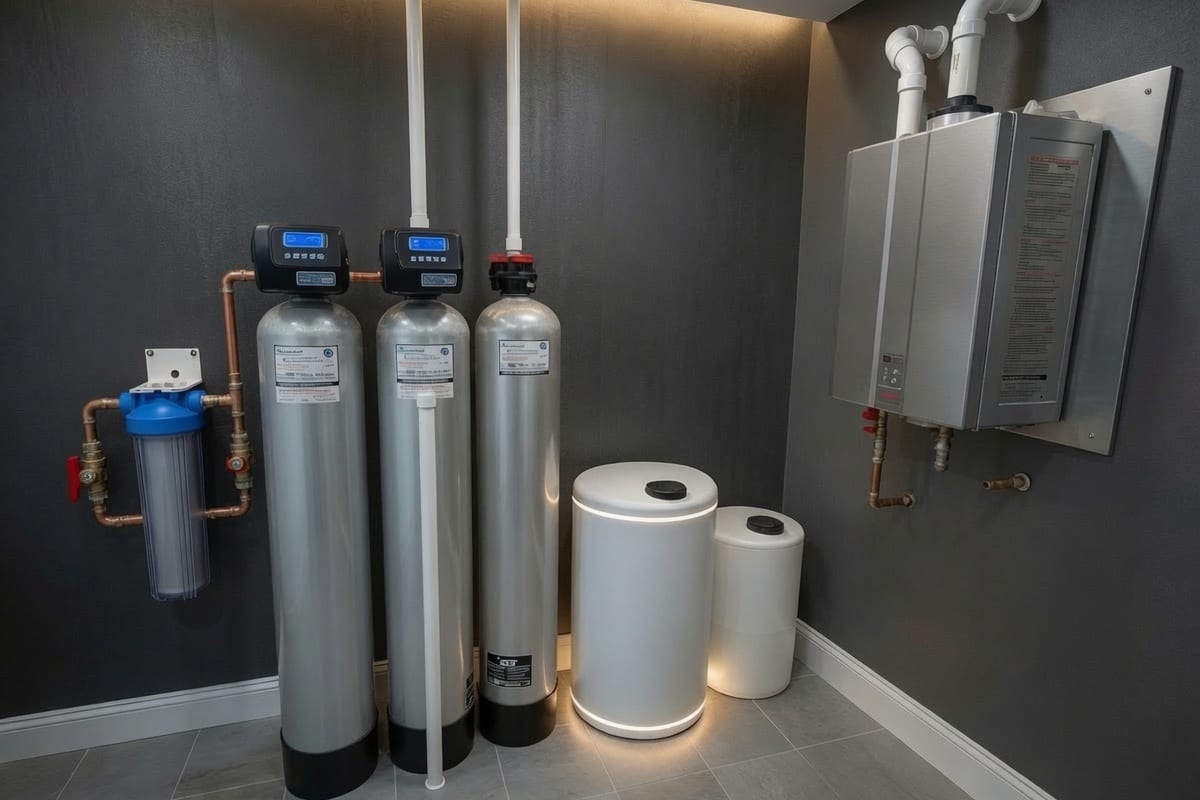
Whole House Water Filtration
Point-of-entry carbon filtration that removes chlorine, chloramine, and taste and odor from every tap in your Raleigh home.
Learn more →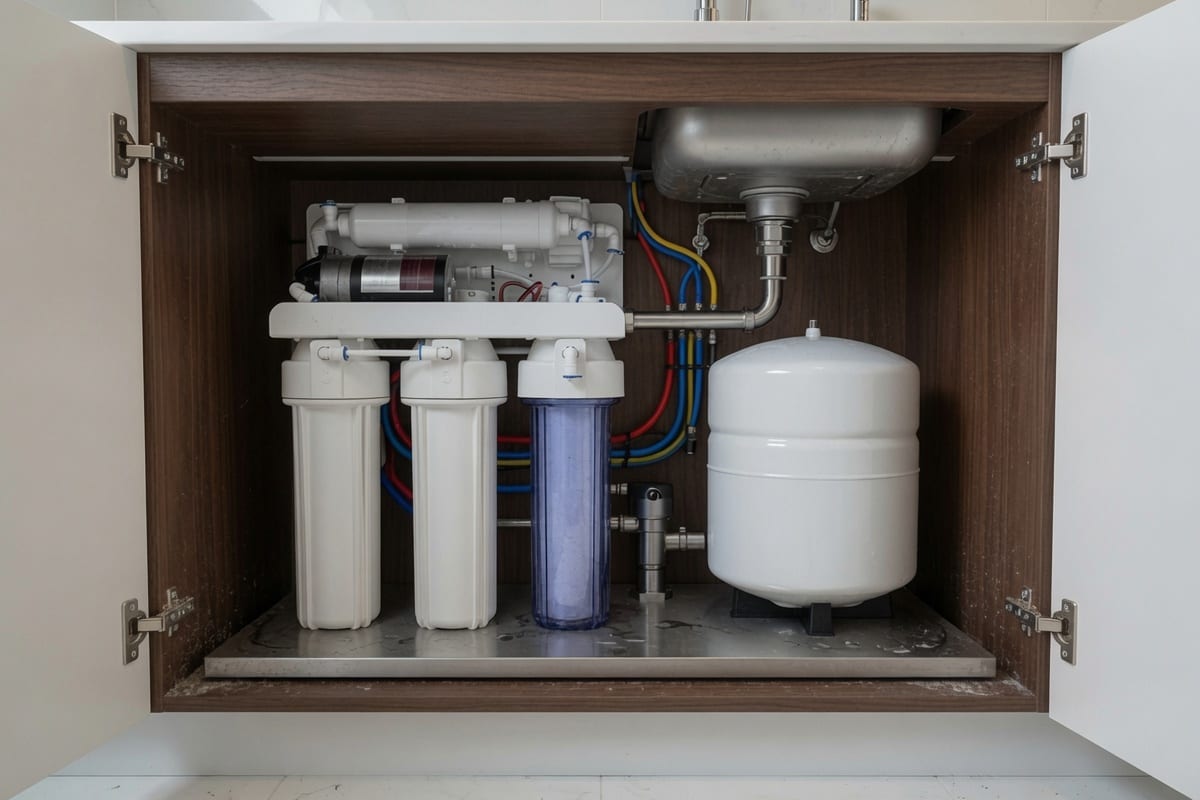
Reverse Osmosis Drinking Water
Under-sink reverse osmosis for bottled-quality drinking water that removes PFAS, lead, and dissolved solids at the tap.
Learn more →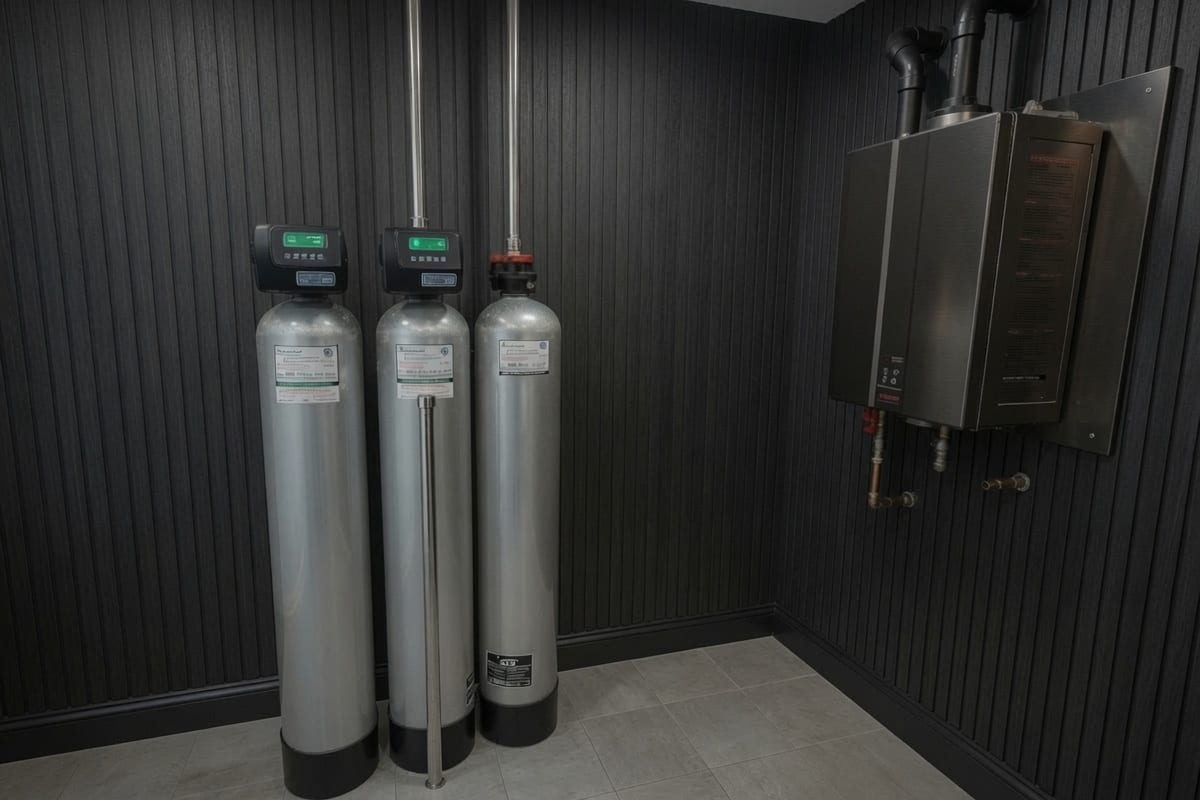
Well Water Treatment
Complete well water systems for iron, sulfur, hardness, acidity, and bacteria across the Triangle's rural fringe.
Learn more →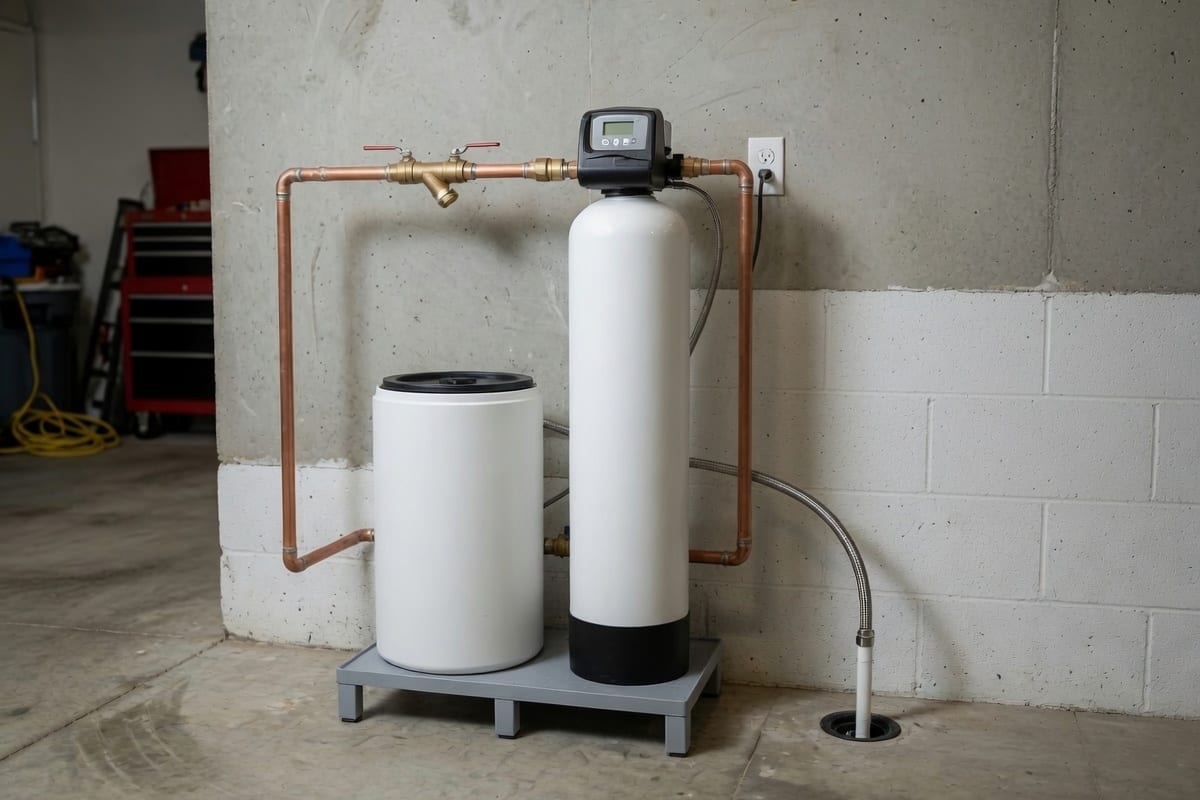
Water Softener Installation
Ion-exchange softeners that stop scale, protect water heaters, and end spotty dishes from hard well and city water.
Learn more →Carbon Filtration Systems
Catalytic and activated carbon media that strips chloramine, chlorine, and organic taste and odor out of Triangle water.
Learn more →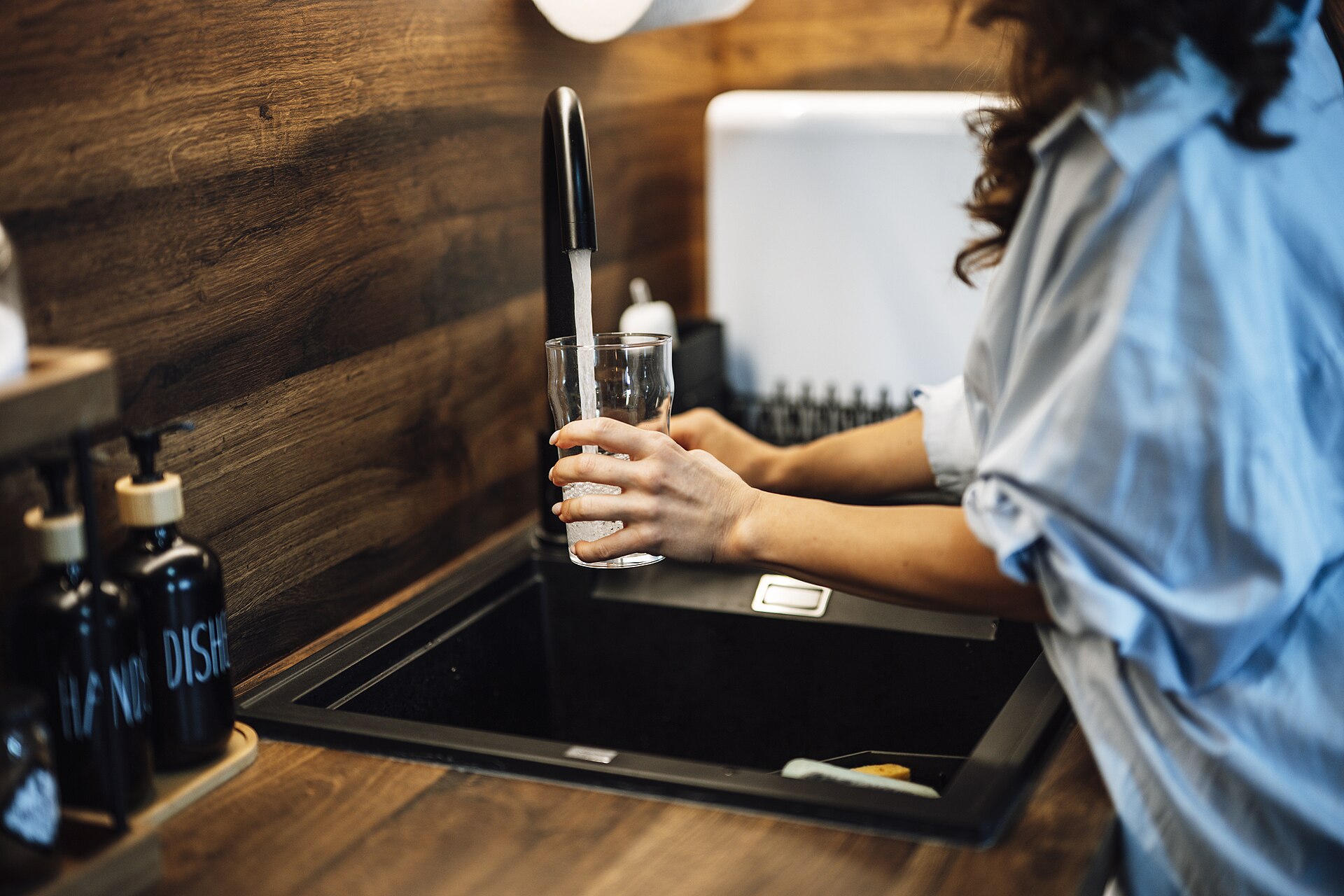
City Water Treatment
Treatment built for municipal supply: chloramine, disinfection byproducts, PFAS, and the taste that comes with treated surface water.
Learn more →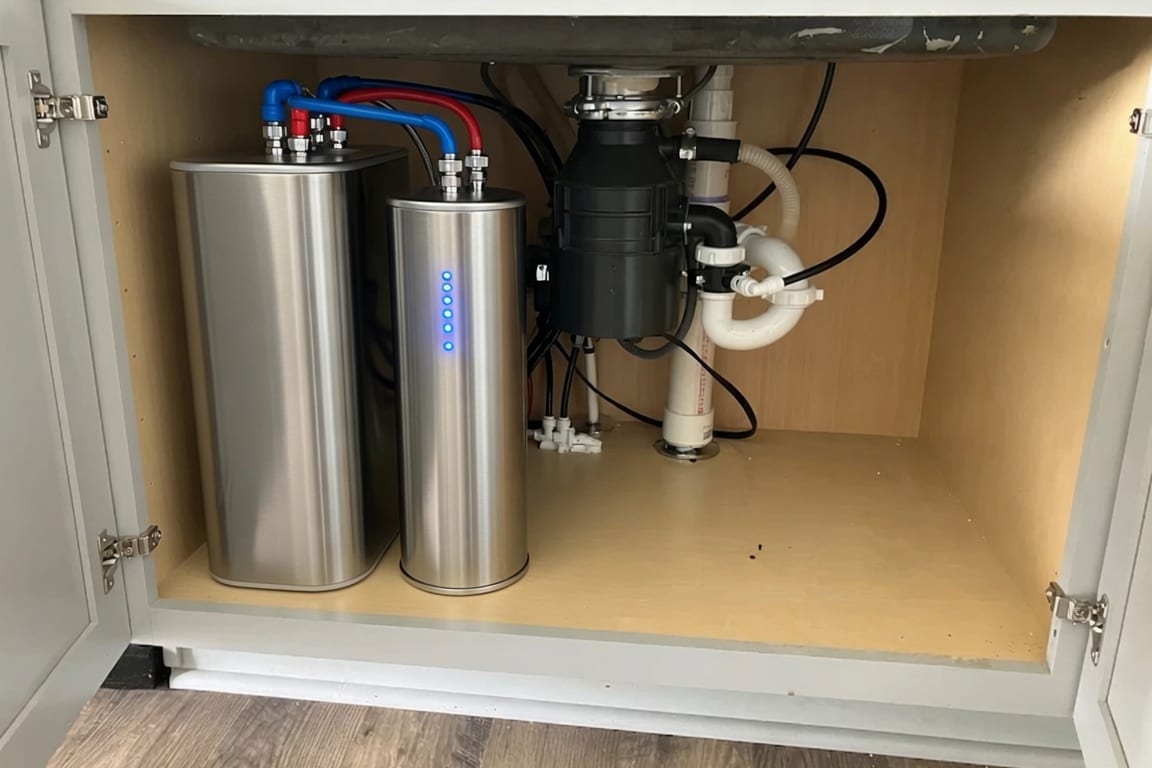
Iron & Sulfur Removal
Targeted filtration that clears orange staining and rotten-egg smell out of well water for good.
Learn more →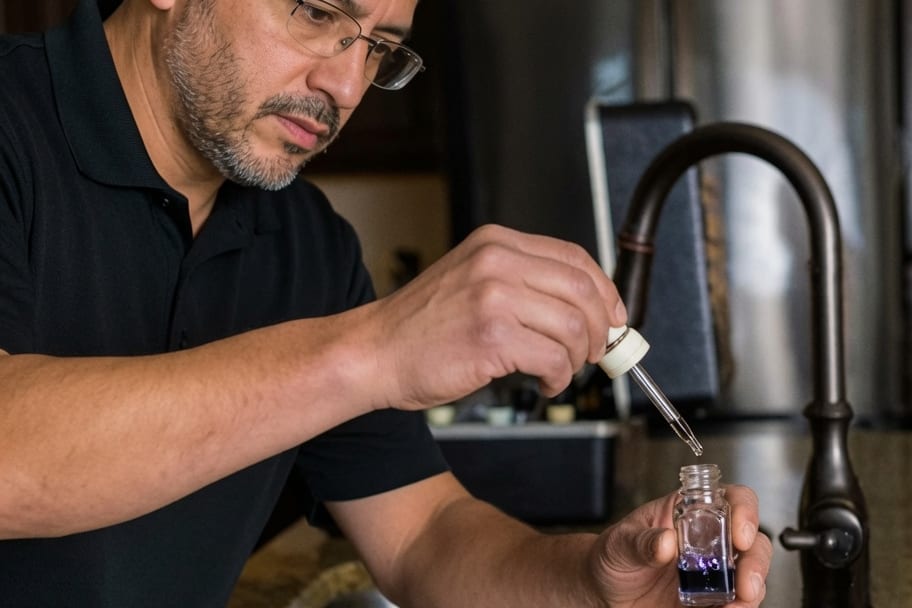
Water Testing & Analysis
In-home water testing that identifies exactly what is in your water before anyone recommends equipment.
Learn more →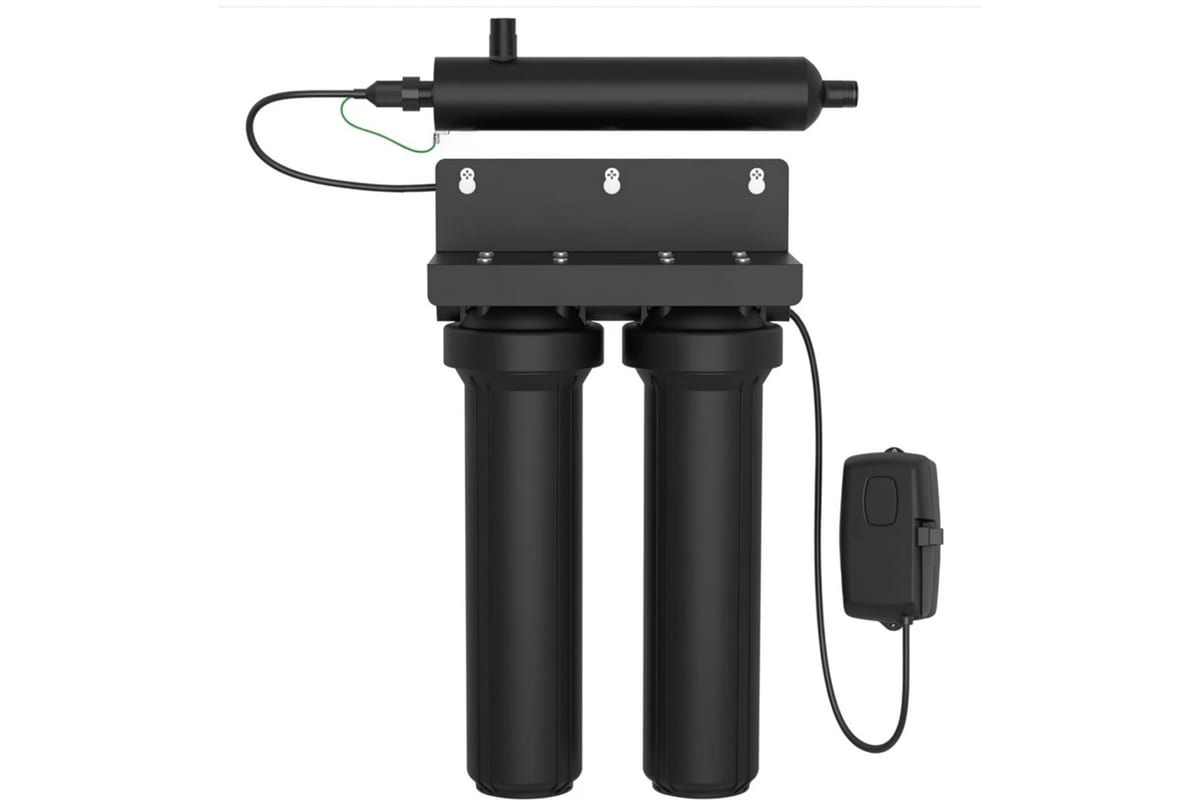
UV Water Purification
Ultraviolet disinfection that kills bacteria and viruses in well water without chemicals.
Learn more →How Water Treatment Works in Durham
Free Consultation
We test your water in your home, city or well, for hardness, iron, pH, chlorine, sulfur, and more. You see exactly what is in it before anyone talks equipment.
Honest Recommendation
We match a system to your actual water and your budget. If you do not need something, we tell you. No scare tactics, no overselling.
Clean Installation
Licensed, tidy installation at your point of entry or under the sink, sized correctly and plumbed to code so it performs for years.
Follow-Up & Service
We show you how it works, then handle salt deliveries, filter changes, and service so the system keeps doing its job.
Want numbers first? See the full Triangle water system pricing guide, the same pricing applies in Durham.
Serving Every Durham Neighborhood
Most of Durham is on the city's own system fed by Lake Michie and the Little River reservoir, so the bulk of our Durham work is carbon filtration for chloramine, softeners for hardness, and reverse osmosis for drinking water. Homes in rural north Durham County toward Bahama and Rougemont are more likely on private wells and get full well-water treatment.
Neighborhoods and areas we regularly work in around Durham include Hope Valley, Trinity Park, Southpoint area, Bahama, Rougemont, Forest Hills, Woodcroft, Duke Park, Colony Park, Hope Valley Farms, rural north Durham County, Watts-Hillandale, and the surrounding communities. Wherever you are in Durham, you get the same free water test, the same up-front pricing, and the same local team.
Durham Water Treatment Questions, Answered
Is Durham water the same as Raleigh water?
No. Durham runs its own independent water system supplied by Lake Michie and the Little River reservoir in the north of the county, while Raleigh draws from Falls Lake. They are different sources with different treatment, though both disinfect with chloramine. Only a test of your actual Durham tap water tells us what your home specifically needs.
Why does my Durham tap water taste like chemicals?
That is chloramine, the chlorine-and-ammonia disinfectant Durham uses. It keeps the water safe through the distribution system but leaves a chemical, pool-like taste and can dry out skin. A whole-house carbon filter sized for chloramine removes it from every tap in the house.
Do older Durham homes have a lead concern?
Durham has a lot of historic housing, and older homes can have original fixtures or solder that contribute lead even when the city water leaves the plant clean. A reverse osmosis system at the kitchen sink reduces lead in the water you drink and cook with, and we can discuss it after testing your specific tap.
I live in rural north Durham County on a well, can you help?
Yes. Homes toward Bahama and Rougemont are often on private wells rather than Durham city water. Those need treatment for iron, sulfur, hardness, and low pH, and we build complete well water systems designed around your test results, with UV disinfection available if a bacteria test fails.
Is the Durham consultation free?
Yes. The in-home consultation is free with no obligation, whether you are on city water or a private well. We test, explain the results in plain language, and give you an up-front written price.
Nearby Areas We Serve
We cover Durham and the surrounding Triangle. Each town has its own water story, so pick yours for the local detail.
Get your free Durham consultation today
Call now or send the quick form. We test your water, explain what is in it, and give you an up-front written price. Proudly serving Durham, NC.