Selling a Home with Well Water in Raleigh: What to Expect
Raleigh Water Pros • August 29, 2026 • 9 min read • Updated September 14, 2026
You scheduled the open house. Your realtor assured you this home would sell in weeks. Then you got the email: the buyer’s inspector found iron bacteria in your well. Their lender just pulled the financing. Closing is now on hold indefinitely.
This scenario plays out dozens of times every year in Raleigh and Wake County. Sellers of homes with well water often underestimate how seriously buyers take water quality, and how strict North Carolina’s disclosure laws have become. The cost of getting this wrong is not a remediation bill: it’s a dead deal.
North Carolina’s Well Water Disclosure Requirement
North Carolina law makes this non-negotiable. Under NC General Statute 47E (the Residential Property Disclosure Statement), any seller of residential property on well water must disclose that the home uses a private well system. The disclosure is legally binding and must appear on the property’s mandatory disclosure form before the buyer is even under contract. You must also disclose any known water quality problems discovered through prior testing.
State law vs. market practice: NC itself does not legally mandate a certified water test; however, virtually every institutional buyer, lender, and inspector will require one. The North Carolina Department of Health and Human Services (DHHS) regulates well systems under 15A NCAC 2C, but enforcement is at the time of installation or repair, not sale. Once a home is in the market, lender requirements trump state law. If a buyer is financing (which most are), their lender will demand a certified test before funding. You cannot get around this step.
Raleigh’s suburban sprawl means water systems are mixed: some neighborhoods have city water, others operate on wells. Builders and subdivisions like those off NC-54, near Wake Forest, and in south Raleigh (Falls Lake watershed areas) rely heavily on private wells. If you’re selling in these areas, expect water quality scrutiny from the moment a buyer’s agent sees your MLS listing.
What the Certified Water Test Actually Costs
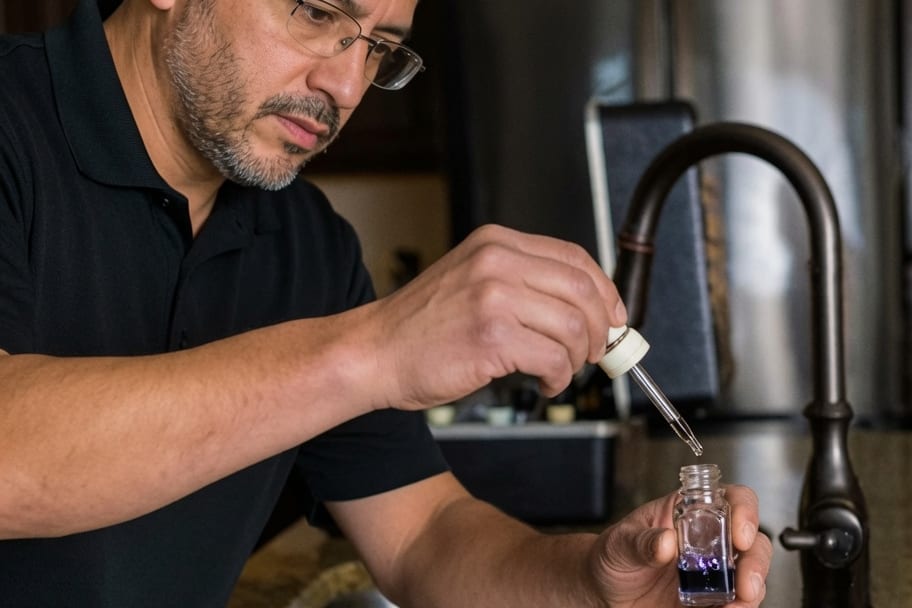
A certified water test in Raleigh runs between $200 and $350, depending on what the lab tests for. This is a reality check: cheap is not an option here.
Standard bacteria and chemistry panel: $200-$250. This includes total coliform, E. coli, pH, hardness, iron, manganese, and nitrates. Most buyers’ inspectors order this level. It takes 3 to 5 business days to get results.
Extended mineral and pesticide panel: $300-$350. If your area is near agricultural land or you live in an older subdivision where septic systems are aging, the inspector might request testing for radon, uranium, or herbicides. This is more common in north Raleigh and near the Durham line.
Who pays for it? Legally, the seller is responsible for providing a certified test before closing. However, many buyer financing conditions allow the buyer to commission their own test after inspection contingencies expire. You will likely pay for your test (to satisfy the buyer upfront and keep the deal moving), and the buyer or their inspector may order another test independently. This dual-testing reality is one of the biggest surprises sellers face.
Timing matters. A test done 90 days before listing can become problematic if there’s drought, heavy rain, or seasonal water-table changes. Most savvy sellers in Raleigh order a fresh test within 30 days of accepting an offer. Water quality fluctuates; older tests lose credibility with lenders and inspectors.
Common Buyer Concerns (And Why They’re Valid)
Buyers worry about well water for three concrete reasons:
Reliability and breakdown risk. A city water line is someone else’s problem. A well pump fails at 2 a.m. on a Sunday, and the cost is on the homeowner. Buyers calculate the implied liability: $1,500 to $3,000 for pump replacement, plus the cost of drilling if the well goes dry. Raleigh’s water table has been stable, but younger neighborhoods (subdivisions built in the 1990s on shallower wells) have experienced seasonal stress. Be ready to share your well’s depth, age, and maintenance history.
Contamination from septic systems. Many Raleigh homes on wells also have septic systems, not city sewer. The proximity of the two (well and septic) is the #1 red flag for inspectors and lenders. If your septic is close to the well (within 50 feet, depending on NC Department of Health and Human Services guidance), lenders may require extra testing or costly mitigation. Even if distances are legal, older septic systems can fail, and when they do, the well is at risk. Have your septic inspection report and setback documentation ready.
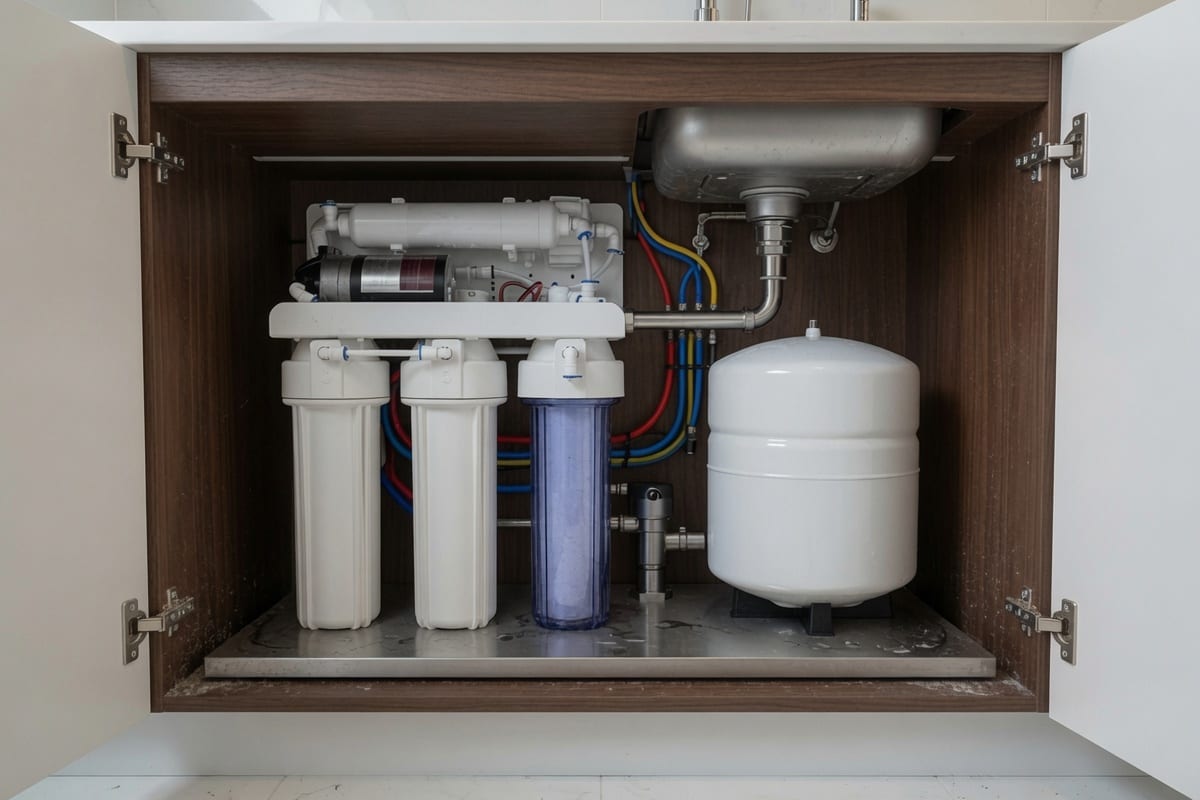
Water softener and filter maintenance. If you’ve installed a softener or reverse-osmosis filter, buyers ask: how much does the salt cost? How often does the cartridge change? This is less about “will the water kill me” and more about “will I pay $500 a year to maintain this?” Transparency on ongoing costs keeps deals alive.
Treatment Documentation is Your Leverage
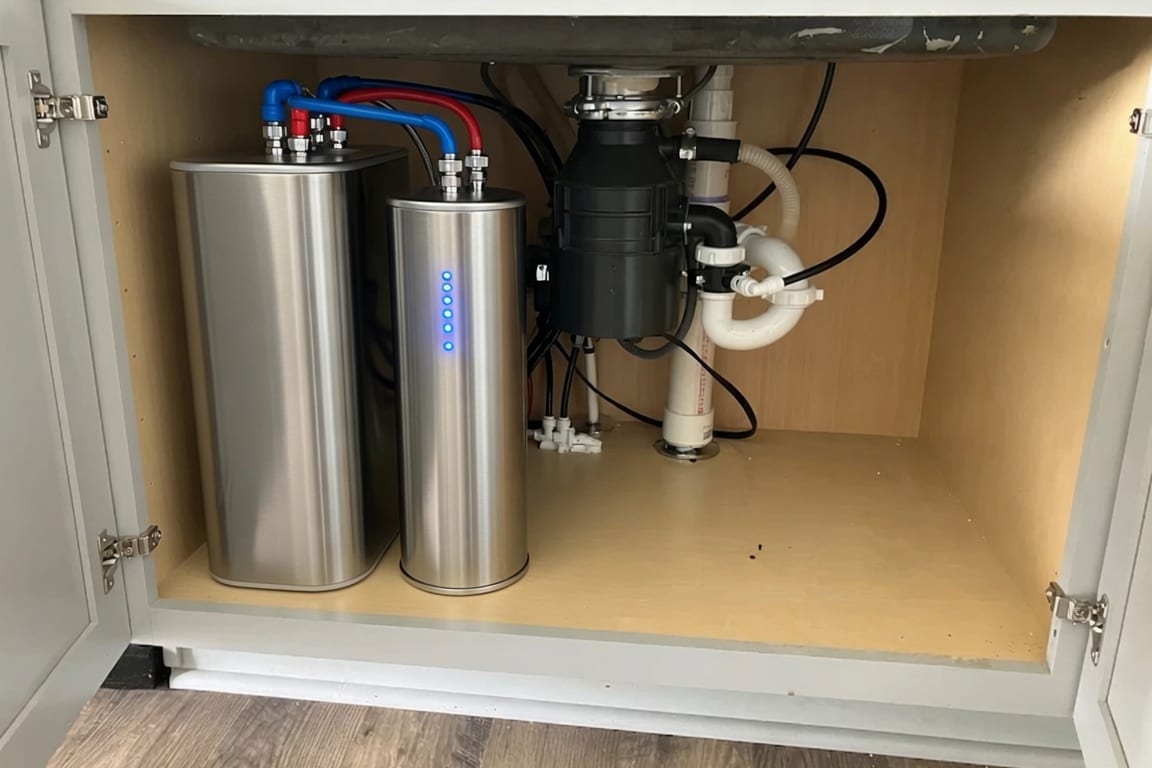
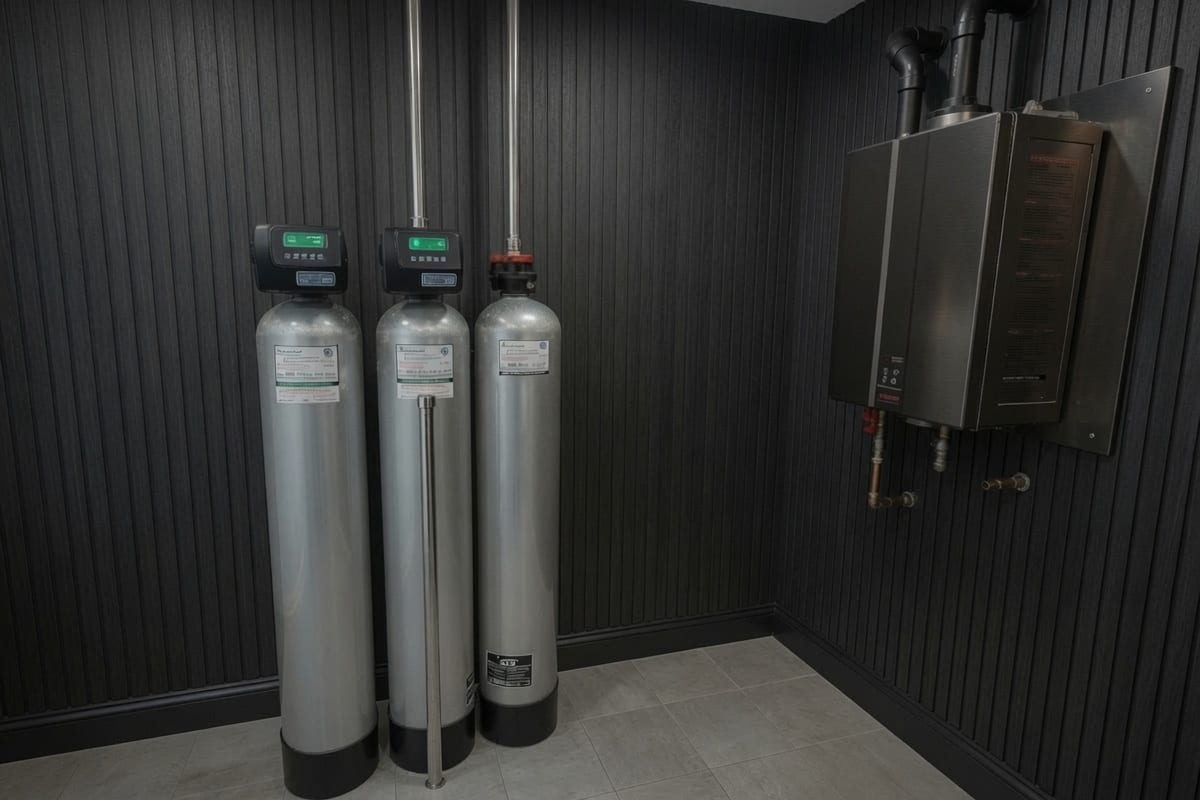
If your home has water treatment equipment, photograph and document it.
A home with a properly maintained softener or sediment filter installed is significantly easier to sell than an untreated well home in Raleigh. Buyers see the softener and think: “The seller is serious about water quality. This house has been cared for.” Even if water quality is good, that psychological advantage is worth thousands in closing speed and final offer price.
Keep records of:
- Date equipment was installed
- Maintenance receipts (salt replacement, filter changes)
- Service company contact information
- Warranty documentation (if any)
If you’ve had the water professionally tested and treated (iron removal, chlorination), that’s your closing story. You can say, with documentation, “This well has been tested, treated, and monitored for X years.”
The Inspection Timeline: When Tests Happen and What It Means
North Carolina’s real-estate transaction clock runs like this:
Day 1-7: Offer accepted. Buyer’s inspector is typically scheduled within a week. They will visually inspect the well, pump, and pressure tank. They will likely take a water sample for lab testing. This is not negotiable.
Day 7-12: Lab results arrive. If the test is clear, no one talks about water again (probably). If there’s an issue (coliform, high iron, pH problems), the buyer will ask for remediation or a price reduction.
Day 12-21: Renegotiation or cure period. If the water fails, you have options: drop the price, install treatment, get a second test to confirm, or walk away. Many sellers in Raleigh opt for treatment; an iron and sulfur filter, for example, typically runs $1,800-$3,500 installed. The buyer may demand proof that the treatment works with a follow-up test (another $200-$300).
Day 21-Closing: Final closing disclosures. If water is clean and documented, it’s routine. If there’s any ambiguity, lenders may require a third test or engineer sign-off.
The entire process, if clean, adds 7-10 days of back-and-forth communication. If there’s a water quality issue, add another 2-3 weeks of testing and remediation.
Septic System Impact on Well Water Sales
Raleigh has neighborhoods where every home is on well and septic. Selling one of these requires extra diligence.
NC state requirements: North Carolina Department of Health and Human Services (DHHS), under 15A NCAC 2C and 15A NCAC 2H, requires minimum setback distances for new well and septic installations. The standard is 50 feet from well to septic drain field, though lot size, soil type, and depth to groundwater can modify this. However, if your home was built before 1990 and permits were issued under older standards, setbacks may be tighter. Wake County’s local health department can confirm what standard your property was built under.
Disclosure requirement: You must disclose the setback distance if you know it (found on original well drilling logs or septic permits). If your septic and well are closer than 50 feet but were legally permitted, you can disclose the original permit; this protects you legally. However, modern lenders may still flag tight setbacks as a risk and require buyer’s counsel review.
Have your septic inspection report, well drilling log, and setback measurements ready before listing. Do not wait for the buyer to request this; volunteer it. Proactive disclosure prevents financing delays.
If your septic system is showing age (system installed in the 1980s, for example), consider a pre-sale septic inspection. Raleigh septic inspectors cost $300-$500. It’s an upfront cost, but it prevents a deal from falling apart due to an anticipated septic failure.
FAQ: The Questions Buyers and Lenders Actually Ask
Q: Can I use a water test from two years ago? A: No. Lenders will reject it. Water quality changes seasonally and year to year. A fresh test (within 30-60 days of closing) is required.
Q: What if my water test fails? A: You have three options: install treatment (iron filter, chlorinator, softener) and re-test; accept a price reduction; or walk away. Treatment typically fixes cosmetic issues (iron, hardness) but not bacterial contamination. Bacterial issues require system disinfection and a passing re-test.
Q: Do I have to disclose water quality issues? A: Yes, absolutely. Under NC General Statute 47E, you must disclose the well system itself on the mandatory Residential Property Disclosure Statement. You must also report any known water quality problems you’ve discovered (failed tests, iron staining, odor issues, treatment systems installed to address problems). Hiding a prior failed test is fraud and creates liability. Disclose everything. Note: past tests that showed clear results do not legally require disclosure, but providing them builds buyer confidence and prevents renegotiation later.
Q: What if the buyer’s test is different from mine? A: Labs sometimes vary slightly on mineral readings, but coliform and bacterial results are either positive or negative. If results conflict, request a third test from a state-certified lab or ask the labs to re-test. Buyers and their inspectors prefer clear data over he-said-she-said.
Q: Can I install a filter myself to pass inspection? A: You can install a softener or basic sediment filter yourself, but a professional-grade treatment system (chlorinator for bacterial issues, for example) should be installed by a licensed contractor. Inspectors and lenders want to see a system designed for your specific water chemistry, not a guess.
Q: Does a water softener increase the sale price? A: Not directly, but it makes the home easier to sell. Buyers don’t pay a premium for a softener, but a home with documented treatment equipment sells faster and with fewer contingencies than an untreated well home.
Getting It Right: Your Next Steps
If you’re selling a Raleigh home on well water, start here:
-
Order a certified water test now. Don’t wait for the buyer. Use a North Carolina-certified lab (search DHHS for approved labs in Wake County).
-
Document your well. Gather the age, depth, and any prior tests or repairs. Contact your well contractor if you don’t have this info.
-
Photograph treatment equipment. If you have a softener, filter, or chlorinator, take clear photos and collect maintenance records.
-
Get your septic inspection report ready. If you have a septic system, order an inspection before listing. It costs $300-$500 now and saves thousands in delays later.
-
Disclose fully. Be transparent with your realtor and the buyer about water quality. It’s the law, and it builds trust.
-
Budget for follow-up testing. Plan on $200-$500 for buyer-commissioned testing and possible re-testing if treatment is needed.
The cost of getting this right, $500-$1,000 upfront, is a rounding error compared to the cost of a dead deal. Raleigh’s water market is competitive; buyers have choices. The homes that close fastest are the ones with clear, documented water systems and transparent disclosure.
If you need water testing before listing, or your well needs treatment to pass an inspection, we can help with both.
Ready to sell confidently? Contact Raleigh Water Pros for pre-sale water testing and treatment. Let’s get your home inspection-ready before the first showing.