Chlorine in Well Water | Raleigh Water Treatment Cost 2026
Raleigh Water Pros • August 29, 2026 • 8 min read
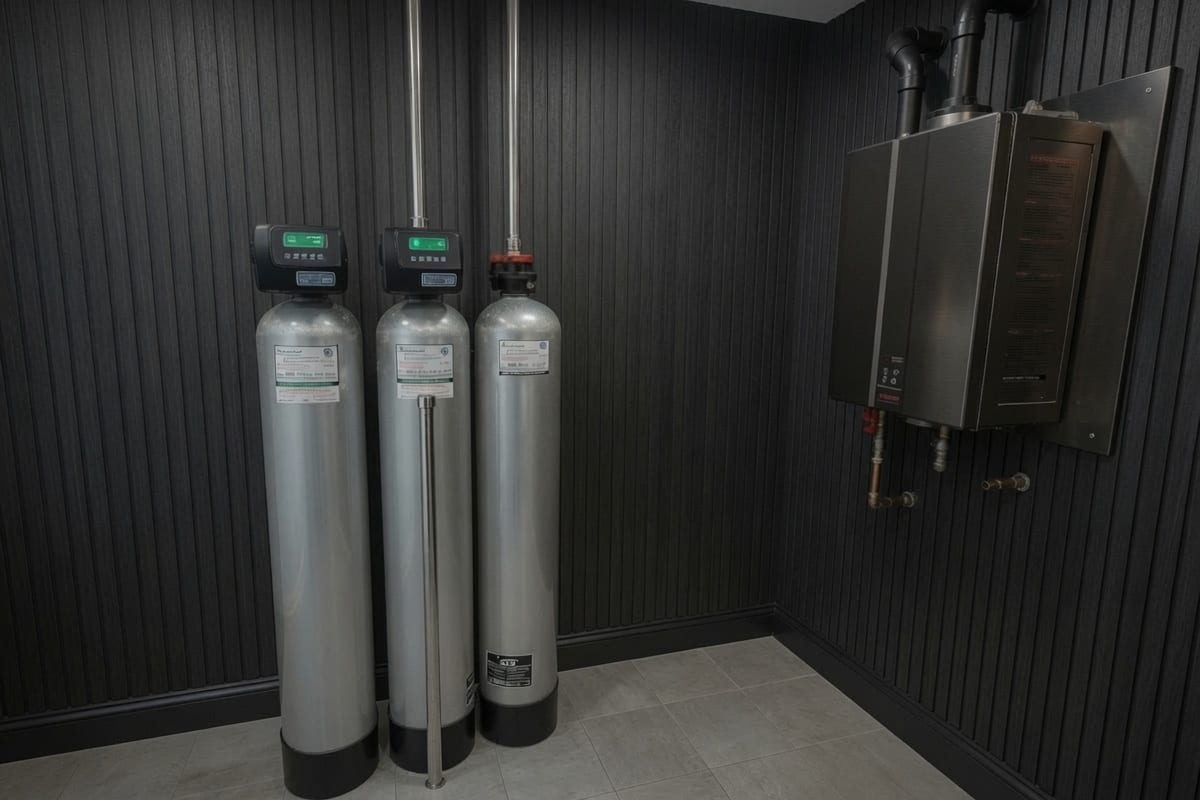
You turn on the tap on a Tuesday morning. The water smells like a swimming pool.
Your first thought: is your well chlorinated? Your second: how much is this going to cost to fix?
If you’re in Raleigh or the surrounding Wake County area, that chemical smell coming from your well water isn’t normal, and it’s worth investigating immediately. Unlike municipal water systems, private wells shouldn’t have chlorine at all, and when they do, it signals contamination from an external source. The good news: it’s testable and treatable, and testing is where every fix starts.
This guide breaks down exactly why chlorine appears in Raleigh wells, what it means for your family, and what your real treatment options cost.
Why Chlorine Ends Up in Well Water: The Raleigh Picture
Chlorine in well water doesn’t arrive by accident. Private wells operate independently from municipal treatment systems, so chlorine shouldn’t be present unless something is wrong.
In Raleigh’s groundwater environment, contamination typically enters through one of three pathways:
Nearby municipal water cross-contamination: If your property sits close to a town water line or treated water infrastructure, pressure fluctuations can create back-siphoning. When municipal chlorinated water is under higher pressure than your well, it can flow into your system. This is especially common in Wake County neighborhoods where older homes sit adjacent to expanding municipal water service areas.
Septic or agricultural runoff: If you or a neighbor uses a septic system (common in rural Wake County), chlorine-based disinfectants from household cleaners or agricultural chemicals can percolate down to groundwater. Raleigh’s clay-heavy soil actually filters this relatively efficiently, but close proximity or sandy soil pockets speed contamination.
Livestock treatment or pool drainage: Farms in northern Wake County sometimes use chlorine for livestock water disinfection. Improperly drained pools or hot tubs on neighboring properties can also contribute chlorine to shallow aquifers.
The Raleigh area’s water table sits 15 to 40 feet below surface in most residential zones, meaning contaminants reach your well faster in neighborhoods built on sandy soils or near storm drainage infrastructure.
Is Chlorine in Your Well Water Actually Dangerous?
The EPA safe drinking water standard for chlorine is 4 parts per million (ppm). That’s the threshold: above 4 ppm, chlorine is considered a contaminant requiring treatment.
Here’s what you need to know about actual risk:
Below 2 ppm: The smell is noticeable, but exposure this low presents no documented health risk. Most cases of “pool smell” in Raleigh wells fall here. Your tap water is safe to drink and cook with, though you may want to treat it for comfort and taste.
2 to 4 ppm: Still within the safe range, though some people report headaches or skin irritation after prolonged exposure or hot-water use. If multiple people in your house are sensitive, treatment becomes quality-of-life justified rather than health-critical.
Above 4 ppm: This requires professional treatment. Long-term exposure above this level can contribute to respiratory and digestive issues, particularly in children and elderly household members. It’s also a sign that your well system isn’t properly sealed.
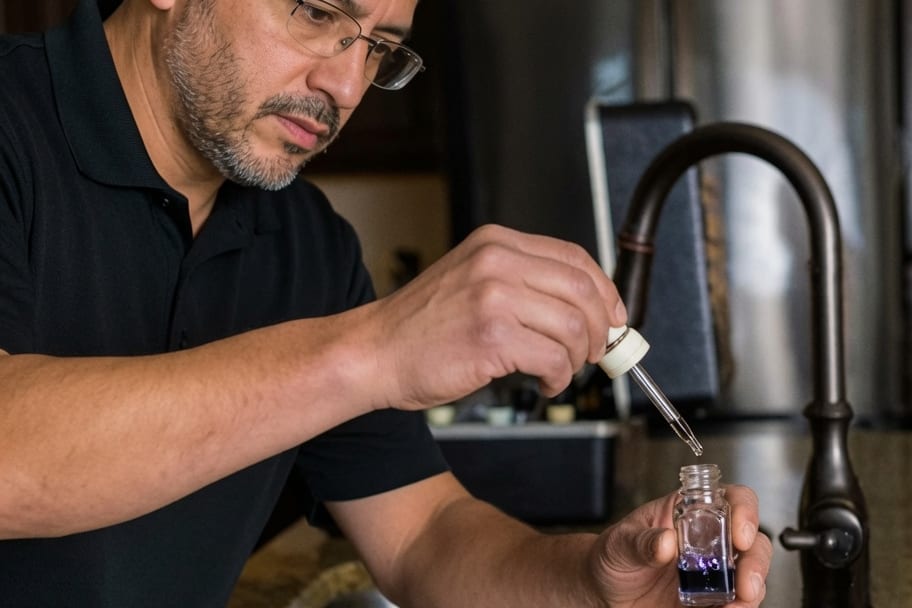
What you should do: Stop and test. Our free in-home water test reads chlorine, pH, and hardness on the spot, and a certified lab analysis ($50 to $100) measures chlorine concentration, bacteria, and nitrates precisely. This isn’t optional; it tells you exactly what you’re dealing with and whether DIY solutions make sense. We recommend testing through a certified lab rather than at-home test strips, which give directional information but lack precision for treatment planning.
Testing Your Well Water: Real Costs and Timeline
A comprehensive well water test in Raleigh runs $65 to $100 through a certified lab like Wake County Health Services or a private testing provider. Here’s what’s typically included:
- Chlorine residual (the actual ppm)
- Total and fecal coliform bacteria
- Nitrates and nitrites
- pH and alkalinity
- Hardness
- Iron and manganese
- Basic mineral content
Timeline: Lab results come back in 3 to 7 business days. During that waiting period, it’s safe to use your water for washing and bathing; if you’re uncomfortable drinking or cooking with it, use bottled water.
What it costs: One test, $65 to $100. Many Raleigh homeowners re-test six months after treatment to confirm it worked, which costs another $65 to $100.
Removal Solutions: What Actually Works and What You’ll Pay
Once your test confirms chlorine contamination, you have three practical options. Here’s the transparent breakdown:
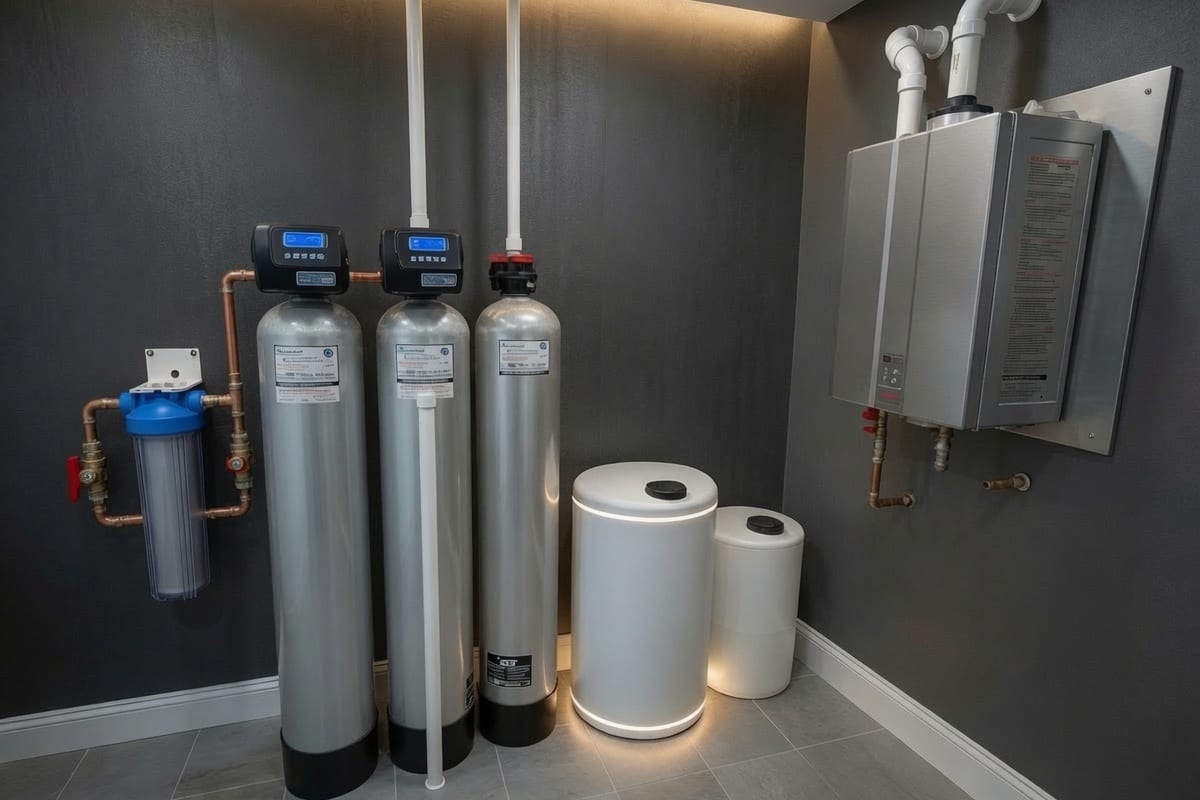
Activated Carbon Filters (Most Common in Raleigh)
Activated carbon absorbs chlorine and improves taste and odor. This is the standard solution for low to moderate chlorine levels (below 3 ppm).
Installation options:
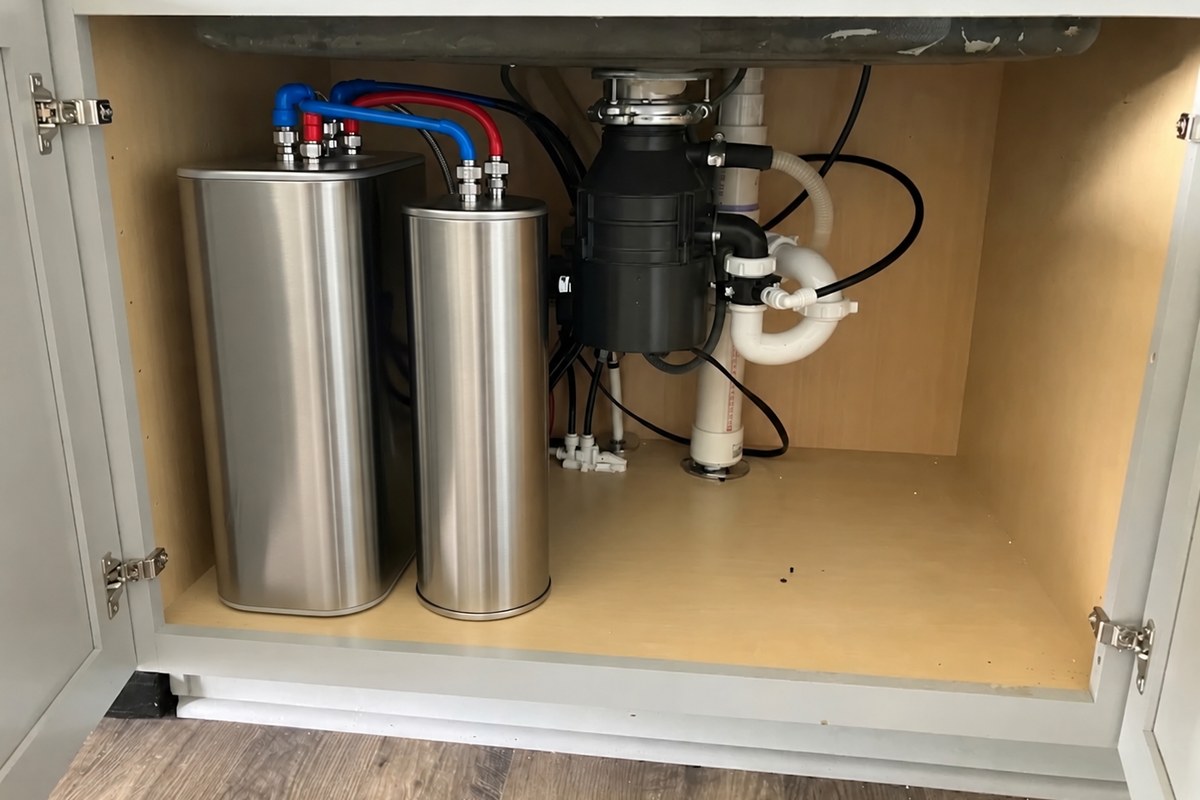
- Point-of-use filters (under-sink, pitcher-style): $30 to $150 for the filter, DIY install
- Whole-house activated carbon system: $1,500 to $3,500 installed
What you’ll actually pay in Raleigh: Most whole-house carbon systems land in the $1,500 to $3,500 installed range, the same range we publish in our water filtration cost guide. Where your job falls in that range depends on tank size, your well setup, and plumbing access.
Maintenance cost: Replace cartridges every 6 to 12 months, depending on usage and chlorine concentration. Each replacement costs $40 to $80.
Lifespan: A well-maintained activated carbon system removes chlorine effectively for 10 to 15 years before the tank itself needs replacement.
Aeration Systems (For Higher Chlorine or Odor)
Aeration works by exposing water to air, which causes chlorine to volatilize (evaporate). This is effective for chlorine levels above 2 ppm and works particularly well in combination with existing filtration.
Installation cost: $600 to $1,000 installed, depending on your well’s flow rate and whether existing infrastructure can be adapted.
What’s included: An aerator tank, circulation pump, and integration with your existing pressure system. Most Raleigh installations take 4 to 6 hours.
Maintenance: Minimal. An aerator has few moving parts; you’ll need to inspect the pump annually and possibly replace it after 7 to 10 years (additional $300 to $500).
When to choose this: If activated carbon alone doesn’t fully remove the chlorine smell, or if your test shows combined contamination (chlorine plus iron or sulfur compounds).
Combination System (Most Effective)
Some Raleigh homes benefit from aeration first (removes chlorine) followed by activated carbon (polishes taste). This is overkill for most chlorine-only cases but essential if your water test reveals multiple contaminants.
Cost: priced after testing, since it depends on which stages your water needs. Full multi-stage well systems run $4,000 to $8,000 installed.
When Chlorine Is Actually Harmless
Not every chlorine detection requires treatment.
If your test shows chlorine between 0.5 and 1.5 ppm, and you don’t notice an odor or taste, most water professionals recommend monitoring rather than immediate treatment. This level of chlorine is common in Raleigh and poses no health risk. Annual re-testing is prudent; if levels remain stable or decrease, the contamination is intermittent or decreasing.
Skip treatment if:
- Your test is below 1 ppm and there’s no odor
- Chlorine appeared once after heavy rain (common timing for cross-contamination spikes)
- You’re planning to drill a new well within the next 12 months anyway
Pursue treatment if:
- Chlorine is above 2 ppm
- Multiple family members smell or taste it
- Your well is your only water source (no backup)
- You’re sensitive to chemical exposure
FAQ: Chlorine in Raleigh Well Water
Q: Can I just let the water sit out to remove chlorine? A: Partially, yes. Chlorine is volatile and will gradually escape if water sits in open containers. However, this takes 24 to 48 hours and doesn’t address other contaminants. For convenience and peace of mind, a filter is faster and more reliable.
Q: Will boiling well water remove chlorine? A: No. Boiling actually concentrates chlorine by removing other water content. Avoid boiling as a treatment method.
Q: Is my whole well system compromised if there’s chlorine? A: Not necessarily. One chlorine detection doesn’t mean your well is failing. It means contamination entered from somewhere, but it’s often a one-time event (heavy rain, nearby municipal work, a neighbor’s pool drainage). Testing the well’s structural integrity (pressure tank, seal, casing) is a separate check; your water test and a visual inspection by a licensed well contractor covers this.
Q: How long does treatment installation take? A: Activated carbon filter installation takes 2 to 4 hours. Aeration system installation takes 4 to 6 hours. Both are typically one-day jobs.
Q: Will treatment affect water pressure? A: Properly installed systems maintain normal pressure. Undersized filters or incorrectly configured aeration can slightly reduce pressure. A professional installer accounts for this when sizing equipment.
Q: Can I install a filter myself and save money? A: For point-of-use systems, yes. For whole-house systems, no. DIY installation risks improper tank pressure settings, contamination, and voiding manufacturer warranties. The $200 to $300 labor savings isn’t worth a failed system or cross-contamination.
What to Do Right Now
- Order a water test from Wake County Health Services or a certified private lab. ($65 to $100, results in 3 to 7 days)
- Note when the smell started: Was it after rain? Nearby construction? This helps identify the contamination source.
- Check with neighbors: If they’re experiencing chlorine too, it’s likely municipal cross-contamination. If it’s just you, it’s localized.
- Once you have results, contact a licensed well contractor for treatment recommendations based on your specific chlorine level and water chemistry.
Raleigh Water Pros specializes in chlorine removal and well water treatment across Wake County. We’ll test your water, explain the results in plain language, and recommend only the treatment that actually fits your situation and budget. Contact us for a free in-home consultation.
Your well water should be clean, safe, and smell like nothing at all. Let’s make sure it is.