Well Water Testing Cost in Raleigh, NC (2026)
Raleigh Water Pros • August 29, 2026 • 7 min read • Updated September 14, 2026
Your well water looks cloudy, or it smells, or you just inherited a property and have no idea what is in the water. You need a test. You got a quote for “free inspection” and another for “$300 lab analysis,” and you are not sure if one is a waste of time or if the other is overkill.
This guide breaks down what water testing actually costs in Raleigh, what each test tells you, and which one you actually need.
Well Water Testing Cost in Raleigh: By Test Type
Well water testing costs $0 (free basic check) to $300+ (full certified lab analysis), depending on what you are testing for. Most Raleigh homeowners pay $50-$150 for the essential tests that answer the common questions: hardness, bacteria, nitrates, and pH.
Typical water testing prices in Raleigh:
| Test Type | Cost | Turnaround | What It Tells You | Action Required |
|---|---|---|---|---|
| Free on-site check | $0 | Same-day | Color, odor, temperature, visible particles | Visual screening; orders more testing if issues found |
| Essential panel (hardness, pH, conductivity, bacteria) | $50-$100 | 24-48 hours | If water is safe to drink; if softener is needed | Most wells do this |
| Standard panel (essential + nitrates, iron, manganese) | $100-$150 | 24-48 hours | Drinking safety + corrosion risk + well age indicators | Common for new property owners |
| Comprehensive lab (20+ parameters, certified) | $200-$350 | 3-5 days | Full health/safety picture; nitrates, pesticides, metals, bacteria, minerals | Required for real estate sales; insurance/safety-conscious owners |
| Radon testing (separate, if concerned) | $100-$200 | 7 days | Radon gas risk (lung health hazard) | If home near radon zone or buyer requested |
Most Raleigh well owners do an essential or standard panel ($50-$150) to get answers without over-testing.
What Each Test Measures
Free On-Site Visual Check
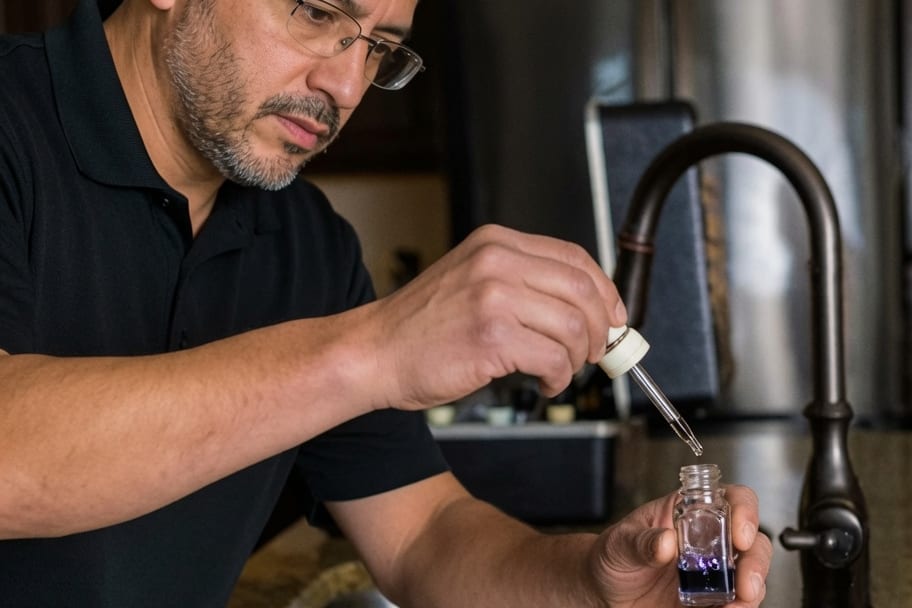
A technician looks at the water’s color, smell, clarity, and temperature. They ask about any recent issues (staining, pressure drop, cloudiness). This is screening, not testing.
What it finds: Obvious problems (brown water = iron staining, rotten egg smell = sulfur, cloudy = suspended particles, yellow = tannins).
What it misses: Bacteria (invisible), nitrates (invisible, toxic), hardness (invisible), pH imbalance (invisible but causes problems).
Cost: Free
When to do it: First step; if the free check reveals problems, order paid testing.
Essential Panel (Hardness, Bacteria, pH, Conductivity)
This is the baseline test most wells need.
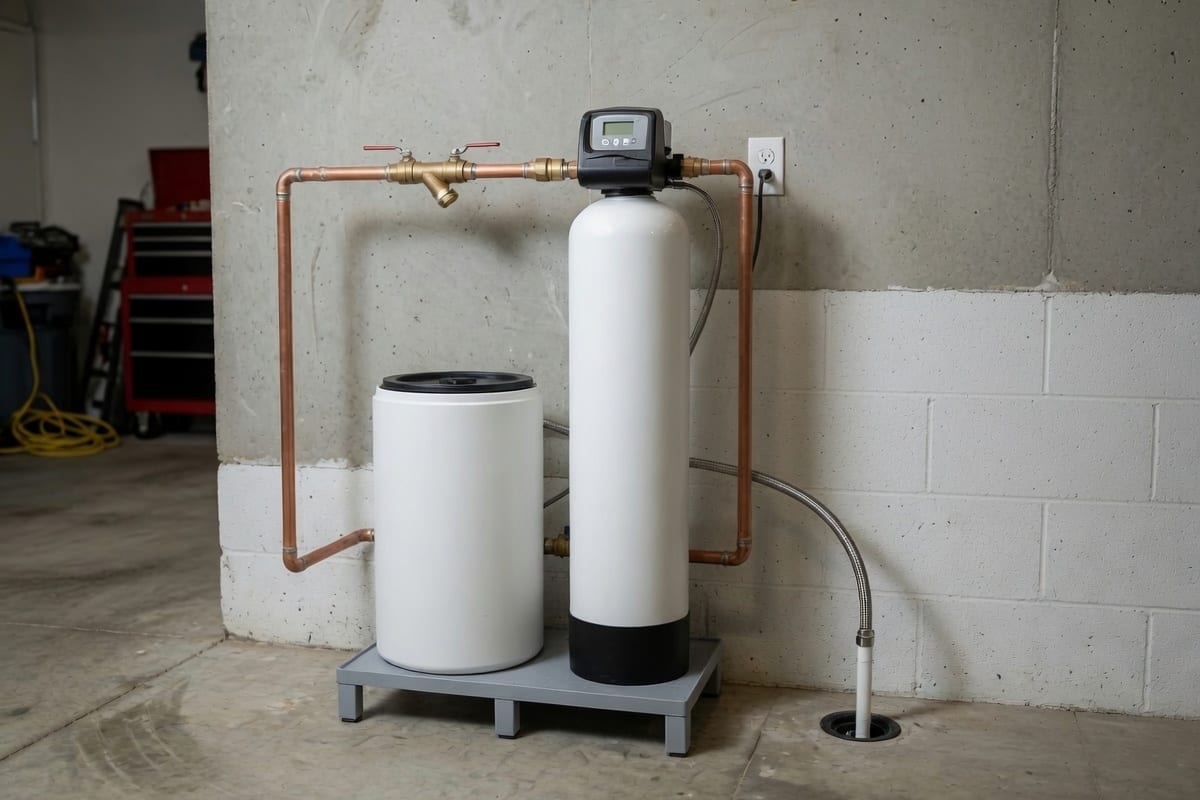
- Hardness (ppm or GPG): Tells you if a softener is needed ($1,200-$2,500 investment). Raleigh wells run 150-250 ppm; anything over 120 is “hard” and causes scale, spotting, appliance failure.
- Bacteria (coliform, E. coli): Yes/no answer. Any positive result means the well is contaminated and needs shocking or treatment.
- pH (0-14 scale): 7 is neutral. Below 7 is acidic (corrodes pipes, tastes sour). Above 7 is alkaline (feels slippery, tastes bitter). Most wells prefer 6.5-8.5; outside that range causes problems.
- Conductivity (μS/cm): Measure of dissolved minerals. Very high conductivity suggests saltwater intrusion or mineral overload; very low suggests need for minerals.
Cost: $50-$100
Turnaround: 24-48 hours
Result: One page, numbers you can understand, recommendations for next steps
Standard Panel (Essential + Iron, Manganese, Nitrates)
Everything from Essential, plus:
- Iron (ppm): Over 0.3 ppm causes reddish staining on fixtures and laundry. Raleigh wells commonly have iron; needs iron filter if over 1 ppm.
- Manganese (ppm): Over 0.05 ppm causes dark/black staining. Often found with iron. Needs manganese removal if problematic.
- Nitrates (ppm): Over 10 ppm is unsafe for drinking (especially for babies). Indicates septic system leakage, agriculture runoff, or old septic field. Requires treatment (reverse osmosis filter or new well if contaminated).
Cost: $100-$150
Turnaround: 24-48 hours
Result: More detailed picture of well condition and needed treatments.
Comprehensive Certified Lab Analysis
20+ parameters tested in a certified lab (not on-site). Includes everything above, plus:
- Pesticides
- Heavy metals (lead, arsenic, chromium, etc.)
- Volatile organic compounds (VOCs)
- Full bacterial identification
- Specific mineral breakdown
- Certified results (meets EPA and real estate requirements)
Cost: $200-$350
Turnaround: 3-5 days (samples shipped to lab)
Result: Official, legally defensible report. Required for real estate sales, mortgage contingencies, and insurance claims.
Radon Testing (Separate, If Concerned)
Radon is a radioactive gas that naturally occurs in soil. High radon in well water increases lung cancer risk.
- Raleigh-area radon risk: Moderate to high in some areas, low in others (depends on zip code)
- Testing cost: $100-$200
- Turnaround: 7 days (samples sit in collection kit)
- If high: Aeration system or point-of-use carbon filter ($500-$2,000)
Radon testing is optional unless:
- You live in a radon-risk zone (USDA map shows Raleigh has zones 1-3)
- You have respiratory concerns
- A doctor or inspector recommended it
- You are buying a home (some mortgage lenders require it)
When to Test: Common Scenarios
Just Bought a House with a Well
Recommended: Standard panel ($100-$150)
Why: You need to know the baseline of your well. Hardness, bacteria, and mineral content will drive future treatment decisions.
If selling within 5 years: Comprehensive lab ($200-$350) because buyers often require certification.
Well Water Smells Bad (Rotten Egg, Sulfur)
Recommended: Essential + bacterial ($50-$100) to rule out contamination, then specific test for hydrogen sulfide if odor persists.
Why: Sulfur smell usually means sulfur bacteria (not harmful but smelly) or hydrogen sulfide gas (also not harmful at low levels but indicates anaerobic conditions). Needs treatment decision (activated carbon, aeration, or well shocking).
Water Looks Cloudy or Discolored
Recommended: Standard panel ($100-$150)
Why: Cloudiness can be particles (sediment), bacterial (harmful), or mineral (iron, manganese, tannins). Each needs different treatment. Testing tells you which.
Home Inspection Found Problems (or You Have Young Kids)
Recommended: Comprehensive lab ($200-$350)
Why: Peace of mind. You get a certified report showing all contaminants and a professional’s recommendation for treatment.
Real Estate Transaction (Buying or Selling)
Recommended: Comprehensive certified lab ($200-$350)
Why: Lenders and title companies often require certified results. Comprehensive is the only one accepted for legal/insurance purposes.
DIY Water Testing Kits vs Professional Testing
Drugstore test strips cost $15-$30 but only measure 3-5 parameters (hardness, pH, chlorine) and are not precise. Over-the-counter kits claim accuracy but vary widely.
Professional testing ($50-$350) uses calibrated equipment, trained technicians, and sometimes certified labs. Results are actionable and defensible in real estate or insurance situations.
DIY pros: Cheap, quick
DIY cons: Inaccurate, incomplete, not accepted by lenders or insurance
For serious decisions (buying a home, deciding to treat the well), professional testing is worth the cost.
What to Do After You Get Results
If Hardness is High (Over 120 ppm)
Action: Consider a softener ($1,200-$2,500 installed). Softener pays for itself in 3-5 years through extended appliance life and reduced detergent use.
If Bacteria is Detected
Action: Immediate well shocking (chlorine injection to kill bacteria; costs $150-$300) and retest in 1-2 weeks. If bacteria returns, the well may have structural issues and need more aggressive treatment.
If Nitrates Are Over 10 ppm
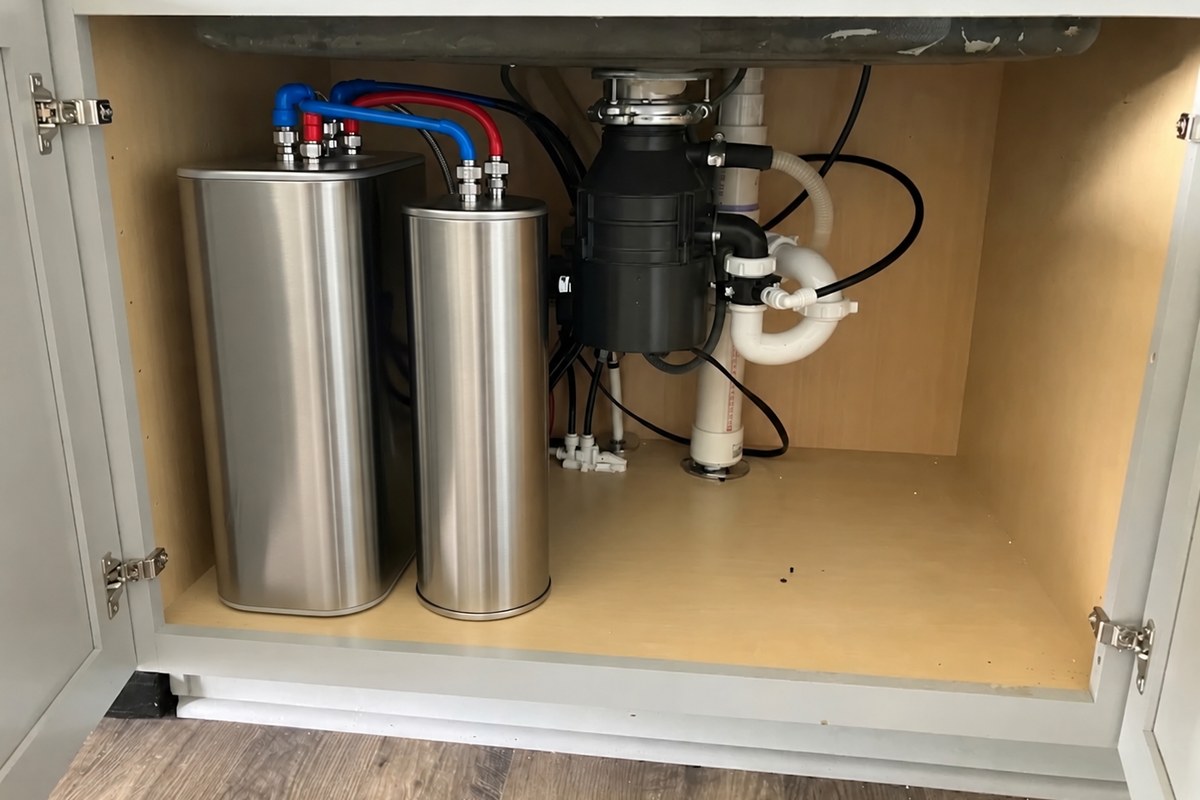
Action: Point-of-use reverse osmosis filter ($400-$800, treats drinking water only) or whole-house treatment if contamination is widespread. Nitrate removal is not a quick fix; requires ongoing maintenance.
If Iron or Manganese Are High
Action: Iron/manganese filter ($500-$1,500 installed) or water softener with iron-removal capability ($1,600-$2,500). Both remove the minerals and prevent staining.
If pH is Off (Below 6.5 or Above 8.5)
Action: pH adjustment filter ($300-$600). Acidic water needs neutralizing (calcium carbonate injection); alkaline water may need nothing (often resolves naturally). Testing tells you which direction to go.
Frequently Asked Questions
Q: How often should my well water be tested?
A: At minimum, once per year, especially if you have kids or are sensitive to water quality. If you install a treatment system, test every 6-12 months to verify it is working. After a flood or visible water changes, test immediately.
Q: Does well water need to be tested before buying a house?
A: Many mortgage lenders require certified testing. Some specifically require bacterial and nitrate testing. Always ask your lender before closing. Buyers usually order comprehensive testing (which protects them and is less risky than relying on the seller’s old test).
Q: How much does well shock (bacteria kill) cost?
A: $150-$300 depending on well depth and gallonage. Usually includes testing to confirm bacteria is gone afterward.
Q: Can I test my well myself?
A: You can collect a sample, but a professional should collect it to avoid contamination. Chain-of-custody matters (proves sample was not contaminated between collection and lab). For legal/real estate purposes, professional collection is required.
Q: What does “safe to drink” mean?
A: NC Department of Health uses EPA standards. Safe = bacteria-negative, nitrates under 10 ppm, no lead/arsenic above standards, pH between 6.5-8.5. A certified lab report will explicitly state if water meets or fails safe drinking water standards.
Get Your Free Consultation Today
Well water testing in Raleigh starts with a free on-site check ($0) and ranges to $150 for full essential panel or $300+ for comprehensive certification.
Request your free consultation, or call to discuss your specific concern (smell, color, appliance issues, property purchase, etc.). We will recommend the right test level and give you an exact price before testing starts.