Well Water Treatment in the Triangle: Homeowner's Guide
Raleigh Water Pros • July 10, 2026 • 8 min read
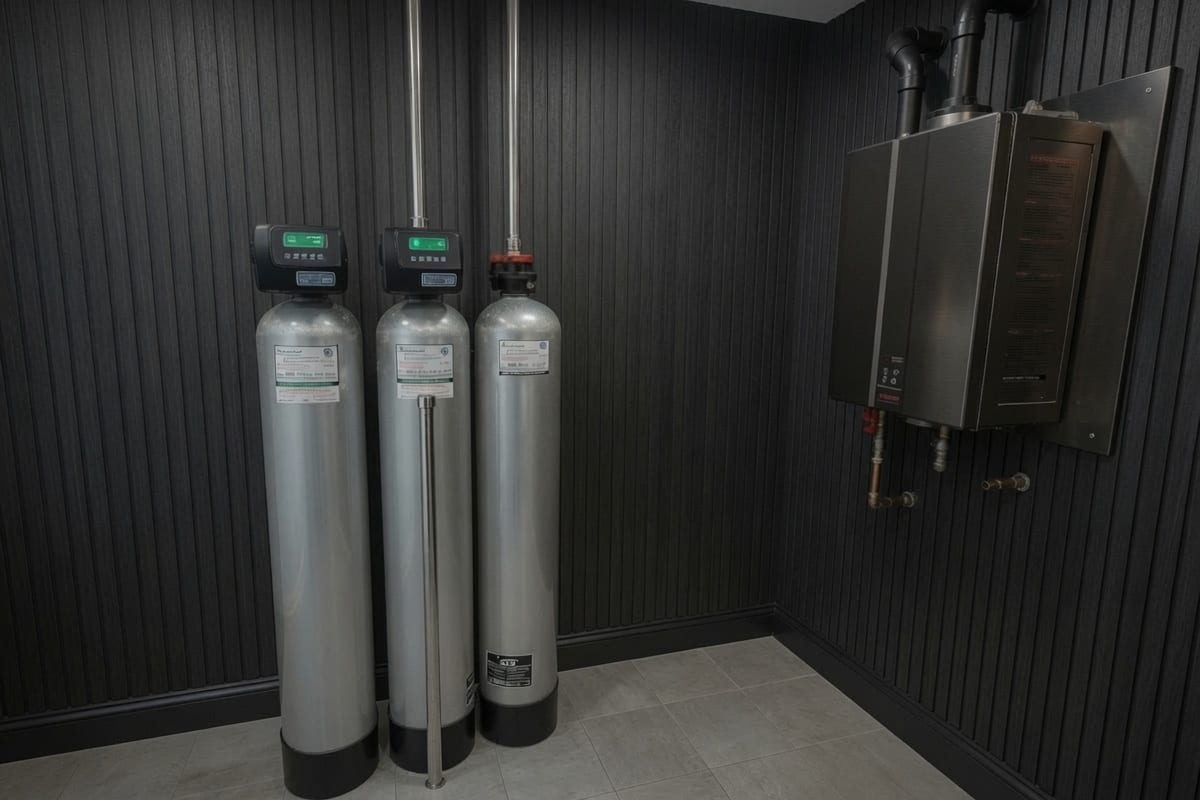
If your home runs on a private well, nobody is treating or testing your water except you. There is no city plant, no annual report, and no utility fixing problems before they reach your tap. That surprises a lot of Triangle homeowners, especially people who moved out to the country from a city water address.
The good news: almost every common well problem in this region has a proven, straightforward fix. This guide goes through the usual North Carolina well issues one at a time, tells you how to recognize each, and points you to the right treatment. No jargon, no upselling.
How many Triangle homes are on well water?
More than you would think. Once you get outside the Raleigh, Cary, and Durham city limits, private wells become common fast. Big chunks of Chatham, Franklin, and Johnston counties, plus rural Wake County, run on groundwater. If you live around Pittsboro, Wake Forest’s outer edges, Youngsville, Fuquay-Varina’s rural stretches, Clayton, or the countryside between towns, there is a good chance you are on a well.
The Triangle sits on Piedmont red-clay geology, and that shapes what comes up out of the ground. Piedmont groundwater tends to be acidic, often carries iron and manganese, and frequently has hardness and sometimes hydrogen sulfide (the rotten-egg gas). Those are exactly the problems we treat most.
We work on wells across the region, from Wake Forest to Fuquay-Varina to Pittsboro, and the pattern repeats from house to house.
Private wells are unregulated, so testing is on you
This is the single most important thing to understand as a well owner. The EPA and North Carolina regulate public water systems. Private wells are not regulated the same way. No agency is routinely checking your water, which means the responsibility to test and treat falls entirely on the homeowner.
North Carolina recommends testing your well water at least once a year. A yearly test typically looks at bacteria (total coliform and E. coli), pH, hardness, iron, manganese, and other common issues. You should also test any time:
- The taste, smell, or color of your water changes.
- Someone in the house has repeated stomach illness with no clear cause.
- You have had flooding, heavy rain, or work done on the well.
- You just bought the home (test before you rely on it).
We offer a free in-home consultation for exactly this reason. Most people have never had their well water measured and are guessing at what is wrong. Testing turns guesswork into a clear plan. See our well water treatment services for how we approach it.
The common NC well problems and the fix for each
Here is the heart of it. Below are the issues we see over and over in Triangle wells, how to spot each one, and what actually solves it.
Hard water (scale, spots, dry skin)
Signs: White crusty buildup on faucets and shower heads, spots on glasses and dishes, soap that will not lather, dingy laundry, dry skin and hair, water heaters that wear out early.
Cause: Dissolved calcium and magnesium. Triangle well water commonly runs 10 to 20+ grains per gallon (gpg) of hardness, which is squarely in the hard to very hard range.
Fix: A water softener (ion-exchange). It swaps the hardness minerals for sodium and gives you soft water throughout the house. This is the workhorse of well treatment and often the first thing we install. Costs and options are broken down in our water softener cost guide for Raleigh.
Iron and orange or reddish-brown stains
Signs: Orange or rusty staining in toilets, tubs, and sinks, reddish tint to the water especially after it sits, metallic taste, stained laundry.
Cause: Dissolved iron, extremely common in Piedmont groundwater.
Fix: An iron filter, usually an air-injection or catalytic oxidizing filter. It converts dissolved iron into a solid the filter can trap, then flushes it away. A standard softener can handle small amounts of iron, but real iron problems need dedicated iron treatment. This is core to our iron and sulfur removal work.
Rotten-egg smell (hydrogen sulfide)
Covered in its own question below, because everybody asks about it.
Acidic, low-pH water eating your pipes
Signs: Blue-green stains on sinks, tubs, and anywhere water drips, especially with copper plumbing. Pinhole leaks in copper pipe. A metallic taste. Corroded fittings and fixtures.
Cause: Low pH. Triangle well water often sits around pH 5.5 to 6.5, which is acidic. Acidic water slowly dissolves copper out of your pipes, which is where the blue-green color comes from, and over years it can cause pinhole leaks that turn into real plumbing bills.
Fix: A calcite neutralizer (also called an acid neutralizer). It runs your water through a bed of calcite that gently raises the pH back toward neutral, protecting your copper. If you have blue-green staining, do not ignore it. It is your plumbing quietly dissolving. This is one of the most cost-effective repairs a well owner can make because it prevents leak damage down the road.
Manganese and black stains
Signs: Black or dark brown/gray staining, black flecks in the water, staining in the dishwasher and on laundry, sometimes a bitter taste.
Cause: Dissolved manganese, iron’s frequent companion in Piedmont wells.
Fix: The same oxidizing filter media used for iron typically handles manganese as well, often in a combined iron/manganese/sulfur filter. Because manganese and iron travel together, we usually address them in one system.
Bacteria after heavy rain
Signs: Sudden taste or odor changes after storms, a positive coliform or E. coli test, stomach upset with no other explanation.
Cause: Surface water and runoff finding its way into the well, which is more likely after heavy rain or flooding, or with an older or shallow well.
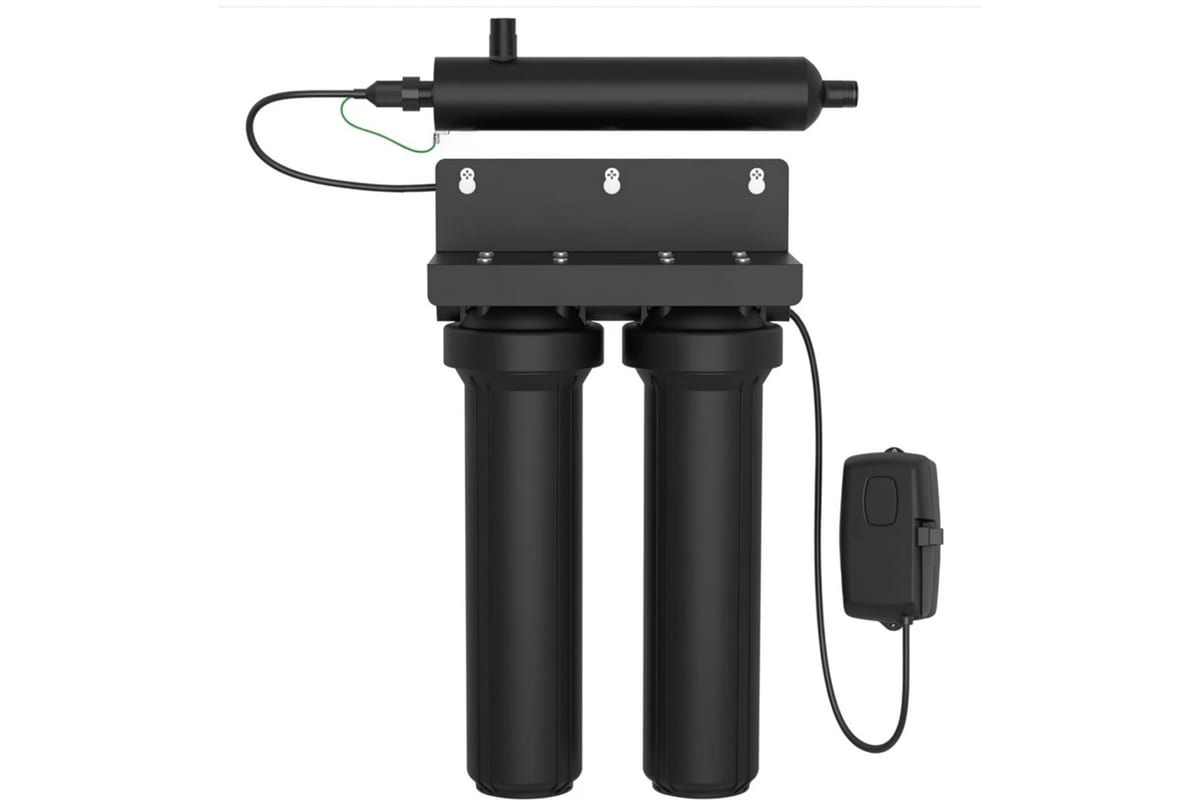
Fix: A UV purification system. Ultraviolet light kills bacteria and other microorganisms as water passes through, with no chemicals and no taste change. UV is the standard, reliable answer for well bacteria, and it is why our UV water purification systems exist. Note that UV needs clear water to work, so if you also have iron or sediment, those get filtered out first (more on order below).
Why does my well water smell like rotten eggs?
That rotten-egg or sulfur smell is hydrogen sulfide gas dissolved in your water. It is one of the most common and most complained-about Triangle well issues. Sometimes you notice it more on the hot water side, because heat drives the gas out.
A few things to know:
- It is mostly a nuisance and odor problem, not usually a health emergency, but it makes water unpleasant to drink, cook with, and shower in.
- If the smell is only on the hot water, the culprit can be a reaction inside the water heater’s anode rod, which is a different and cheaper fix.
- If it is on both hot and cold, the sulfide is in the well water itself.
Fix: The same air-injection or catalytic oxidizing filter used for iron and manganese also removes hydrogen sulfide. That is why we often solve iron, manganese, and rotten-egg smell with a single system. See iron and sulfur removal for how that works.
What order do well water treatment systems go in?
Order matters more than most people expect. Well treatment is usually a train of components in a specific sequence, because each stage prepares the water for the next. Put them in the wrong order and they fight each other.
The typical order, from the well toward your faucets:
- Sediment filter first, to catch sand and grit that would clog everything downstream.
- pH neutralizer (calcite) next if your water is acidic, because correcting pH first helps the iron/sulfur stage work better and protects the equipment.
- Iron / manganese / sulfur oxidizing filter, to pull out iron, manganese, and rotten-egg gas and give you clear water.
- Water softener, to remove hardness after the iron is already gone (so the softener is not overloaded).
- UV purifier last, right before the water enters the house, because UV needs the clean, clear water the earlier stages produce.
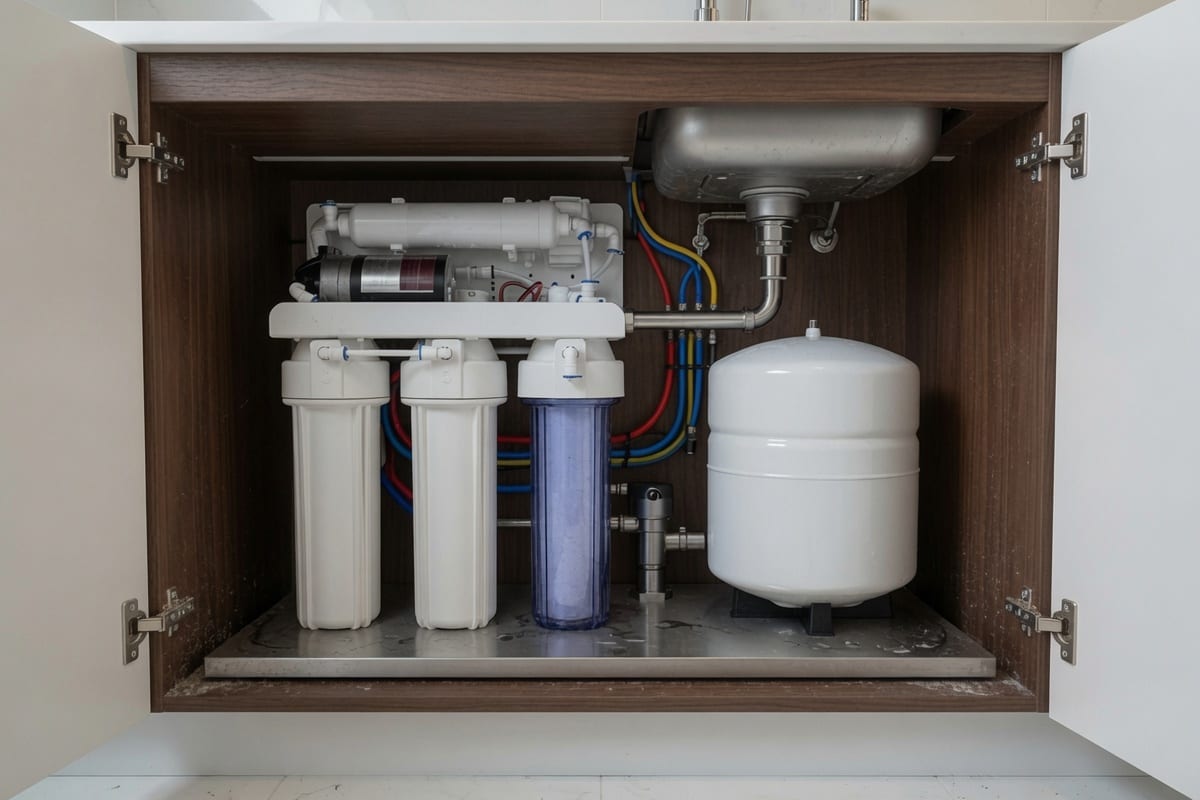
- Optional reverse osmosis at the kitchen sink for the best possible drinking and cooking water.
Not every home needs every stage. The whole point of testing first is to build only the train your water actually requires, in the right order, so you are not overspending or under-treating.
Symptom-to-solution quick reference
| What you notice | Likely cause | The fix |
|---|---|---|
| Spots, scale, poor lather, dry skin | Hardness (10 to 20+ gpg) | Water softener |
| Orange / rust stains, metallic taste | Iron | Iron oxidizing filter |
| Rotten-egg / sulfur smell | Hydrogen sulfide | Air-injection / catalytic filter |
| Blue-green stains, pinhole leaks | Acidic low pH (5.5 to 6.5) | Calcite neutralizer |
| Black or dark stains, black flecks | Manganese | Oxidizing filter media |
| Sudden changes after heavy rain | Bacteria / runoff | UV purification |
| Cloudy water, sand, grit | Sediment | Sediment pre-filter |
The honest bottom line
Well water in the Triangle is very treatable. The reason it feels overwhelming is that most homes have more than one of these problems at once, and treating them in the wrong order (or throwing a single softener at everything) leads to disappointment.
The right approach is boring but it works: test the water, identify the specific problems, and build the treatment train in the correct order for your home. A softener for hardness, an oxidizing filter for iron/manganese/sulfur, a neutralizer for acidic pH, and UV for bacteria, added only as your water calls for them.
Because well systems are often bundled, pricing is best discussed after a test. We keep planning ranges on our water filtration cost guide and our water softener cost guide, and we give up-front quotes.
Book a free consultation and get your numbers
Raleigh Water Pros offers a free in-home consultation across the Triangle, including Chatham, Franklin, Johnston, and rural Wake County, with an up-front written price. We take readings at your tap for the things a meter can read, hardness, pH, iron, chlorine and dissolved solids among them, and recommend only what those numbers justify, in the right order. Bacteria, PFAS and trace metals need a certified laboratory, and we will say so rather than guess. Contact us for your free consultation and start from your own numbers.