Cloudy Well Water in Raleigh: Causes and Fixes (2026)
Raleigh Water Pros • August 29, 2026 • 8 min read • Updated September 14, 2026
You pour a glass of water from your well this morning. Instead of clear, it looks milky. Or maybe slightly brown. You set it down on the counter and wonder: is this safe to drink? How much is this going to cost to fix?
You’re not alone. In Raleigh and the surrounding Wake County area, cloudy well water is one of the most common water quality issues we diagnose. And the good news: it’s almost always fixable once you know what’s causing it.
The bad news: ignoring it can damage appliances, stain laundry, and potentially expose your family to health risks depending on the source. The cost to fix it ranges widely, from a few hundred dollars for a sediment filter to $1,500-$3,500 for a full softener, but only if you diagnose it correctly first.
This guide walks you through exactly what causes cloudy water, how to test for it, and what treatment options actually work, with honest pricing from the start.
What Makes Well Water Cloudy?
Cloudy well water isn’t one thing. It’s usually one of four causes, and each one requires a different treatment.
Sediment (most common)
Sediment is tiny particles of sand, silt, or clay suspended in your water. This is the most common cause in Raleigh. Our wells sit in an area with high soil variability; depending on your property location, you might hit clay-heavy zones or sandy soil that slowly breaks down and enters the well.
Sediment makes water look milky, gray, or slightly tan. If you let it sit in a glass for 10 minutes, you’ll often see particles settling at the bottom. Sediment itself is not a health hazard, but it carries other problems: it clogs screens, reduces water pressure, and can harbor bacteria in the biofilm that builds up on filter media.
Bacterial contamination
Bacteria don’t always make water cloudy, but when they do, the water looks white or milky, and the cloudiness doesn’t settle. This is more serious. Bacteria can enter through cracks in the casing, grooves in old well pipes, or contamination from nearby septic systems or agriculture.
Raleigh’s water table is relatively shallow in many areas (30 to 50 feet in parts of Wake County), which means contamination risk is higher than in deeper wells. If bacterial growth is the cause, you’ll often notice a sulfur smell, slime buildup in pipes, or a distinct taste.
Mineral particles (hard water)
High concentrations of calcium and magnesium don’t always look cloudy, but sometimes mineral-laden water develops a slight haze or whitish tint when it sits. This is “hard water,” and it’s extremely common in Raleigh area wells.
Hard water isn’t a safety issue, but it causes scale buildup, shortens the life of water heaters, and leaves spots on dishes. Treatment is different from sediment or bacteria, so diagnosis matters. If what you see is white residue on glasses and fixtures rather than a cloudy glass, our guide to white residue from well water covers it.
Air bubbles
If your water looks cloudy right out of the tap and clears within seconds, it’s likely just air bubbles. This happens when the well pump introduces air into the line, or when temperature changes cause dissolved gases to come out of solution.
This is harmless and doesn’t require treatment, but many homeowners waste time and money trying to fix it when a simple wait confirms it’s just air.
The Quick Self-Test (Free)
Before you call for testing, try this:
Fill a clear glass with water directly from your kitchen tap. Let it sit on the counter for 10 minutes without moving it. Watch what happens.
If the cloudiness clears from the bottom up, it’s sediment or air; if it stays cloudy and uniform, it’s likely bacteria or minerals. If particles settle at the bottom but the water stays slightly hazy, you probably have fine sediment or a combination.
This test isn’t a diagnosis, but it tells you what you’re looking at and helps the technician narrow down the cause faster.
Testing: How Much Does It Cost?
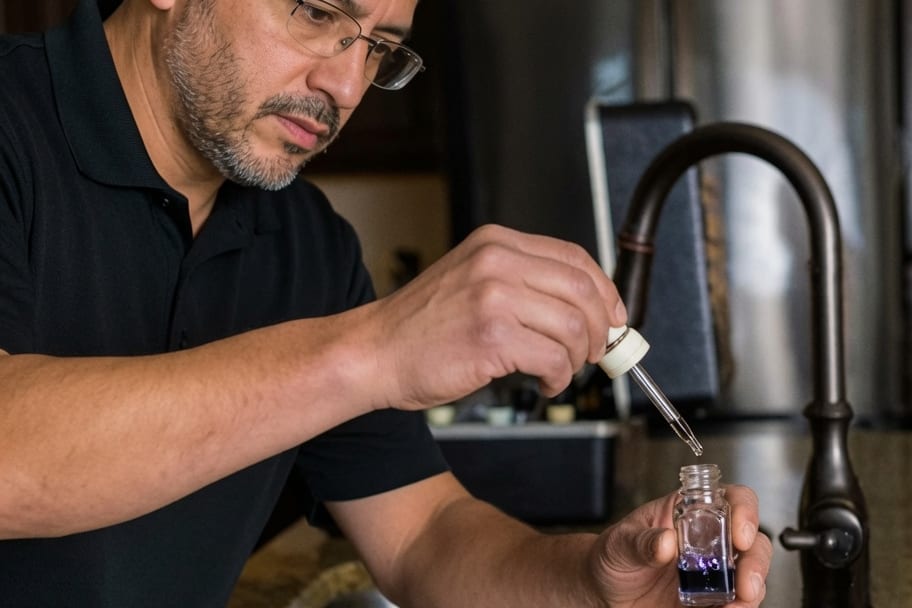
You can’t fix what you don’t understand, so testing comes first. In Raleigh, well water testing costs vary by complexity:
Standard water quality panel: $100 to $150
This tests pH, turbidity (cloudiness), hardness, iron, bacteria (total coliform and E. coli), and common contaminants. Most cloudy water problems show up here.
Extended panel: $200 to $300
If standard testing doesn’t identify the cause, or if you have other concerns (nitrates from fertilizer, radon, pesticides), the extended panel is worth it. Raleigh’s agricultural history and suburban development mean some properties benefit from broader testing.
Testing is not optional. We’ve had customers try filter systems blindly, spend $500 on equipment, and find out six months later the real problem was bacteria, not sediment. You can’t treat what you don’t diagnose.
Treatment Options and Real Costs
Once you know the cause, treatment is straightforward. Here’s what you’ll actually pay in the Raleigh area:
Sediment filtration: $300 to $600 installed
A sediment filter (or multi-stage filter system) sits at the point where water enters your home. It removes particles down to 5 microns or finer, depending on the system. Most Raleigh homes need a 20 micron system for sediment; finer filters cost more and require more frequent cartridge changes.
Cartridges cost $25 to $80 and need replacement every three to six months depending on sediment load. Some properties with heavy sediment need replacement more frequently, which is why many homeowners pair a sediment filter with a backflush system ($500 to $800 additional) that cleans itself and lasts longer.
Bacterial treatment (shock chlorination or UV): $150 to $400
If bacteria is confirmed, shock chlorination is the standard first step: professionals inject a high dose of chlorine, let it sit for 24 hours, then flush the system. Cost is typically $150 to $250. Success rate is 70 to 80%; some wells need repeat treatments.
If chlorination fails or you prefer not to use chemicals, UV systems ($700 to $1,500 installed) use ultraviolet light to kill bacteria continuously. UV is effective but requires annual bulb replacement ($50 to $100).
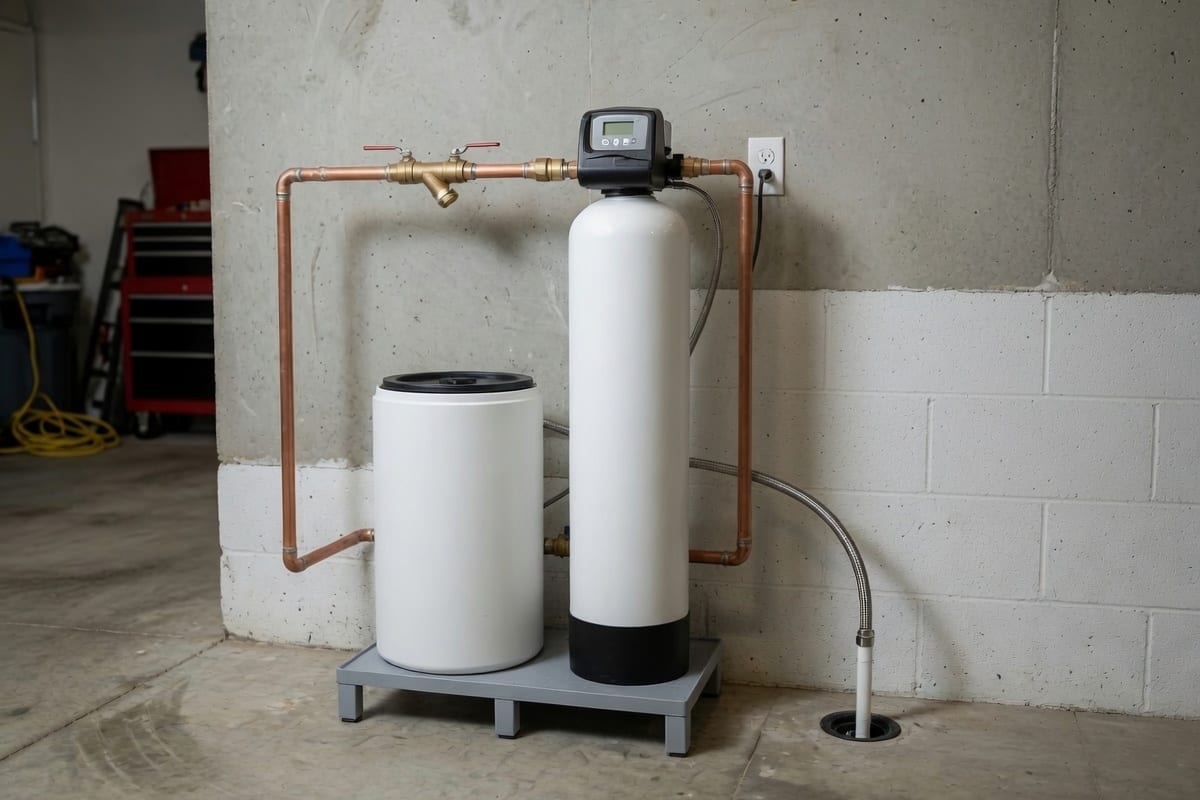
Water softening: $1,500 to $3,500 installed (if mineral hardness is the cause)
If testing shows very high hardness (above 10 grains per gallon), and cloudiness is confirmed as mineral, a water softener removes calcium and magnesium. This is the most expensive option because the equipment is large and salt regeneration is ongoing (salt bags cost $5 to $10 each, used roughly monthly).
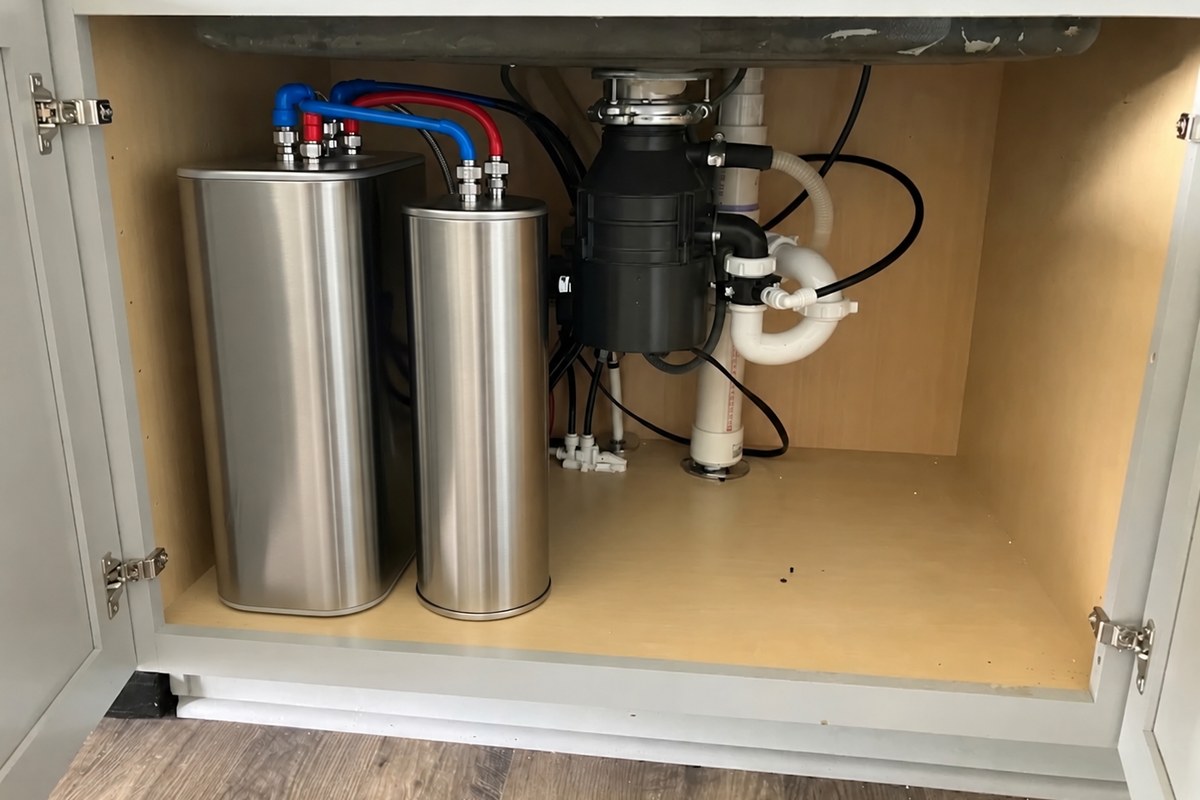
Many Raleigh homeowners with moderately hard water skip full softening and use a sediment filter plus a small point-of-use softener for kitchen and bathroom sinks ($200 to $400).
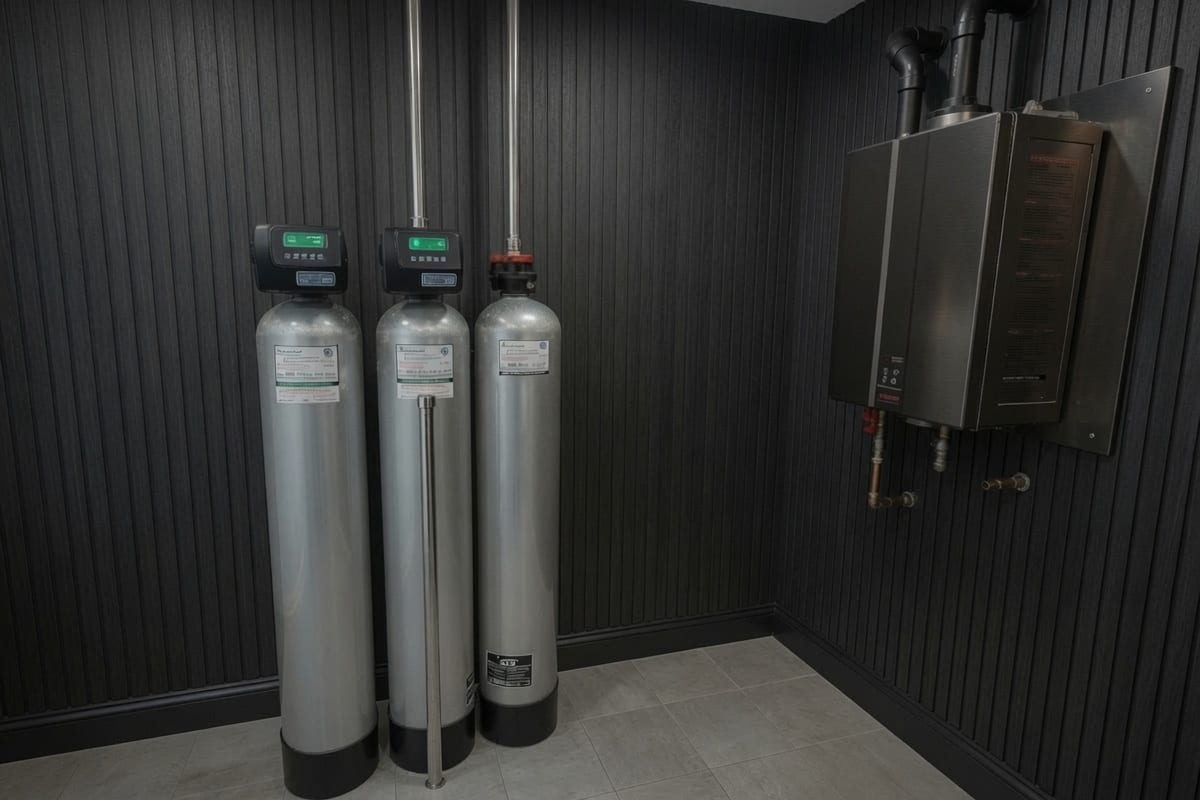
Combination systems: $800 to $1,800
If testing shows mixed causes (some sediment, elevated hardness, borderline bacteria), combination units that filter sediment and reduce minerals in one cartridge system are cost-effective and require less maintenance than full softening.
Prevention: Keep Your Well Clean
Once you fix the problem, these steps help prevent it from recurring:
Have your well professionally inspected every 3 to 5 years. Small issues (loose casing, minor cracks) caught early cost $200 to $400 to repair; ignored, they become $2,000+ problems.
Maintain proper grading around your well head. Water should slope away from the well to prevent surface runoff contamination. In Raleigh’s heavy rain seasons, this matters.
Test annually if you’ve had bacterial contamination. Raleigh’s water table depth puts some wells at higher recontamination risk; yearly testing ($100 to $150) is cheap insurance.
Keep up with filter maintenance. Sediment and softening filters need cartridge changes on schedule. Skipping replacements reduces treatment effectiveness and strains your system.
FAQ: Your Questions Answered
Is cloudy well water safe to drink?
Not always. If it’s sediment only, it’s not a direct health hazard, but sediment can harbor bacteria. If bacterial contamination is confirmed, no, it’s not safe until treated. When in doubt, don’t drink it and get testing done. Boiling cloudy water only removes bacteria temporarily and won’t fix sediment.
Can I just buy a filter from the hardware store?
Maybe. Generic filters work for some sediment, but they often clog quickly if your well is heavily contaminated, and they don’t address bacteria or mineral issues. More importantly, an off-the-shelf filter won’t solve the real problem if it’s bacterial or hard water. Testing first prevents wasted money.
Will this problem get worse if I ignore it?
Yes. Sediment clogs screens and reduces water pressure; bacteria can spread through your pipes; hard water scales equipment. What costs $300 to $500 to fix now can cost $2,000+ in appliance damage or well repairs later.
How long does treatment take?
Sediment filter installation: one day. Bacterial shock treatment: two days (treatment plus flushing). Softening system installation: typically one to two days, depending on space and plumbing configuration.
Do I need a water softener if I have hard water?
Not always. If hardness is moderate (7 to 10 GPG) and cloudiness is not severe, many Raleigh homeowners use a smaller point-of-use softener for kitchen and master bath only, which costs far less and handles the problem adequately.
Next Steps: Get Your Water Tested
Cloudy well water is fixable, but the fix depends on accurate diagnosis. Our in-home water test is free, and certified lab testing runs $100 to $150 when bacteria checks are needed. Treatment cost depends on the cause, from a few hundred dollars for sediment filtration up to $1,500-$3,500 for softening, and most systems last 5 to 10 years with proper maintenance. Full planning ranges are in our water filtration cost guide.
Don’t guess. Don’t DIY a blind treatment and hope. Contact Raleigh Water Pros for a professional well water test. We’ll identify exactly what’s causing the cloudiness, give you transparent pricing for your specific situation, and walk you through the most cost-effective solution for your home.
Your water should be clear. Let’s make sure it is.
Contact Raleigh Water Pros for a professional well water diagnosis and treatment plan. Call (984) 384-6991 or submit a service request through our online form.