Rotten Egg Smell Only in Hot Water? What It Means
Raleigh Water Pros • September 20, 2026 • 8 min read
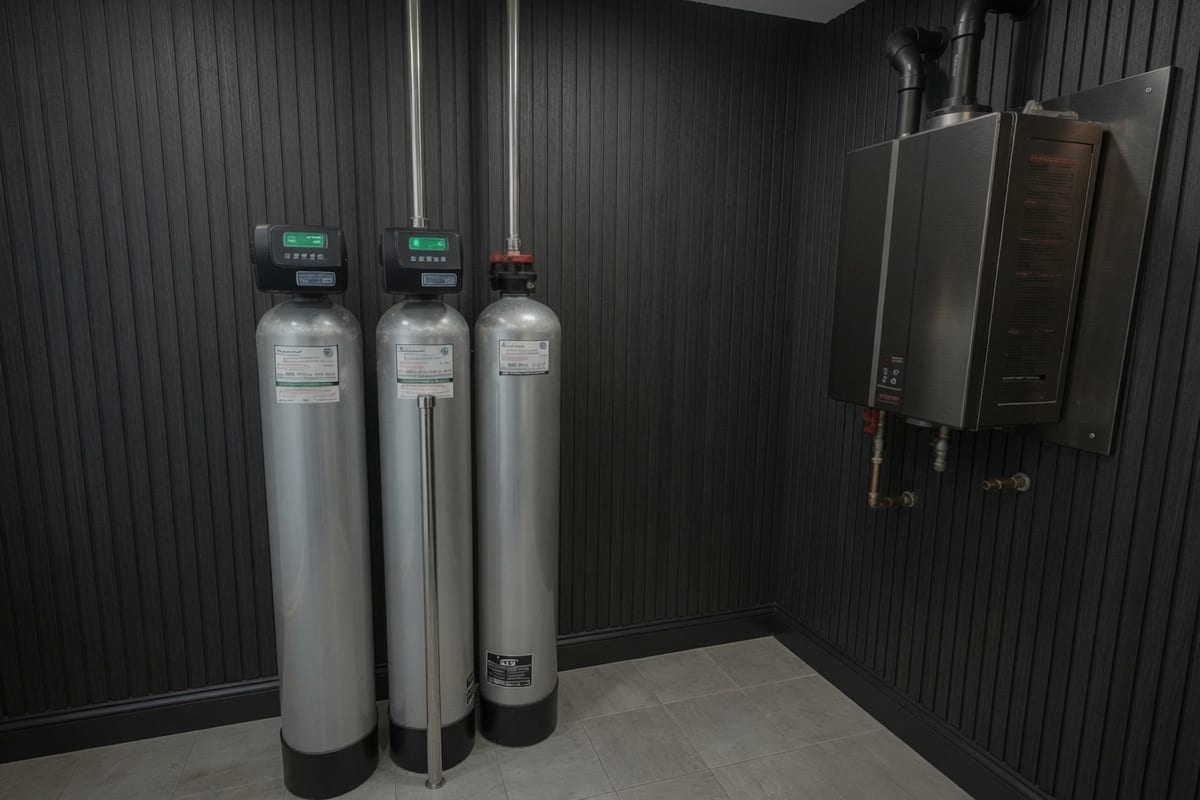
The cold tap is fine. Pour a glass, smell it, nothing there. Run the shower or fill the sink with hot and the rotten egg smell is unmistakable.
That split is the most important thing about the problem, and most pages bury it in a general article about sulfur in well water. A rotten egg smell only in hot water is a water heater problem. The same smell in both hot and cold is a well problem. Different faults, different trades, and a large difference in what it costs to put right.
This post is about the first case: what is happening inside the tank, how to confirm it in one test, and what actually fixes it. If the cold water smells too, our guide to well water that smells like rotten eggs covers the whole-house treatment side in full.
Does a Rotten Egg Smell Only in Hot Water Mean the Water Heater?
Yes, in almost every case. The Minnesota Department of Health publishes the clearest state guidance on this and states that a water heater “can provide an ideal environment for the conversion of sulfate to hydrogen sulfide gas” (Minnesota Department of Health).
Two things inside the tank make the gas. The heater keeps water warm and still, which suits sulfate-reducing bacteria. And the magnesium anode rod, the sacrificial metal that keeps the steel tank from rusting through, sustains a reaction with sulfate in the water that produces the same gas. Either one gives you hydrogen sulfide in the hot water and nowhere else.
| What you smell | Where the problem is | Who handles it |
|---|---|---|
| Hot water only, cold is clean | Inside the water heater tank | A plumber or the heater’s dealer |
| Hot and cold, all the time | Hydrogen sulfide in the well or aquifer | Treatment where water enters the house |
| Cold smells at treated taps but not untreated ones | The softener’s resin bed | Disinfection per the manufacturer |
| Smell fades after the tap runs a minute | Sulfur bacteria in the well and plumbing | Well disinfection, then retest |
That four-way split is Minnesota’s, and it is the fastest way to stop guessing.
Pro tip: Smell an outside spigot as well as the indoor taps. In most Triangle homes the hose bibs are plumbed ahead of both the water heater and the softener, so that tap hands you raw well water and rules two suspects out at once.
Not sure which row you are on? Request a free consultation and we read the water first, then put any price in writing.
How to Run the Test Properly
Timing decides whether the test tells you anything. Minnesota’s instruction is to wait until “you have been away from your home for a few hours”, then smell the hot and cold taps in turn. A system that has been running all day has already flushed the evidence, so do it first thing in the morning or straight after work.
- Draw a glass of cold water, walk away from the sink, and smell it.
- Draw a glass of hot, walk away, and smell that.
- Smell an outside spigot, or any tap plumbed ahead of the softener.
- Let both glasses stand ten minutes and smell again, because a faint sulfide shows up as the gas comes out of solution.
Walking away from the sink each time is not fussiness. Drains hold their own smell, and more than one water heater has been replaced over a fouled P-trap.
What It Means If the Heater Is the Source
Start with the conclusion that saves you the most money: a smell confined to the hot water does not, on its own, justify whole-house filtration. If the cold water is clean, the water arriving at your house is not the problem, and treating the incoming supply would be spending on the wrong end of the plumbing. That is worth saying clearly, because it is the opposite of what a company selling filtration would prefer to tell you.
The work itself is not ours either. We install and service water treatment equipment, not water heaters. Anode rods, tank flushing and heater replacement are plumbing, and they belong with a plumber or the manufacturer’s dealer.
What to know before you ring one, in short. The usual cause is the reaction between the tank’s sacrificial anode rod and sulfur-reducing bacteria in the tank, and Minnesota’s guidance is to swap the magnesium rod for another metal, commonly aluminum, rather than to remove it: the same guidance warns that “removal of the anode, however, may significantly decrease the life of the water heater”. Powered anodes are the other route. Where bacteria in the tank are driving it, there is a published thermal disinfection method, and it carries a real scald and pressure-relief risk, so it is a decision for the plumber or the manufacturer rather than a do-it-yourself project. And on a tank past ten or twelve years, ask whether anode work is worth it at all before paying for it.
Take the specifics from the manufacturer’s manual and the plumber quoting the job, not from us. The useful thing we can tell you is which half of the house the problem is in.
What If the Cold Water Smells Too?
Then it is not the heater, and no amount of anode work will change it. Hydrogen sulfide arriving with the well water is a whole-house problem, treated where the water enters the house by oxidizing the gas and filtering out what it becomes.
An iron and sulfur filter runs $1,800 to $3,500 installed, the band published on our water filtration cost guide, and it usually takes iron and manganese out at the same time. That matters on wells around Wake Forest and Holly Springs, where the three tend to travel together. Our iron and sulfur removal page covers the equipment, and the full walkthrough of the whole-house case sits in why well water smells like rotten eggs. There is no sense treating a whole house for something living in one tank.
Can a Water Softener Smell Like Rotten Eggs?
Yes, and it is the case most pages skip entirely. A resin bed is dark, damp and enormous in surface area, which is what sulfur bacteria want. Minnesota’s decision tree names it directly: if the cold water smells at treated taps but not at ones plumbed ahead of the unit, the bacteria are in the softener, and the instruction is to “contact the installer or manufacturer for disinfection instructions” rather than to start changing parts.
Sanitizing a resin bed is routine work and the manufacturer publishes the dose for their media. If the smell returns within a few weeks, the bacteria are upstream in the well rather than in the tank, and the well is what needs disinfecting. A softener that is not working in other ways at the same time usually points the same direction.
Frequently Asked Questions
Why does only my hot water smell like rotten eggs?
Because the hydrogen sulfide is being made inside the water heater rather than arriving with the water. The tank is warm and still, which suits sulfate-reducing bacteria, and a magnesium anode rod sustains the same reaction chemically. Cold water bypasses the tank entirely, which is why it smells clean.
Is hydrogen sulfide in hot water dangerous?
Minnesota’s health department says sulfur bacteria “are not harmful”, while hydrogen sulfide gas “in the air can be harmful at high levels”, which is why a closed bathroom or utility closet wants ventilation. The everyday damage is to taste, to fixtures and to the tank itself. Anyone with a specific health concern should raise it with their doctor rather than with a filtration company.
Will a water softener fix a rotten egg smell in hot water?
No. A softener exchanges hardness minerals for sodium and does nothing to hydrogen sulfide, and its own resin bed can host the bacteria that produce it. If a salesperson offers a softener for a hot-water-only smell in Knightdale or anywhere else, get a second opinion; the Raleigh cost guide shows what the equipment that does treat sulfur actually runs.
Do I have to replace the water heater?
Usually not. An anode swap and a flush handle most hot-water-only cases, and both are cheaper than a tank. The exception is a heater already past ten or twelve years old, where the money is better put toward the replacement it needs anyway.
Why did the smell start after we were away for a week?
Because the water sat warm and unmoving, which is the condition sulfur bacteria grow fastest in. Vacation homes, guest bathrooms and rentals between tenants all show this pattern. Flushing the hot line hard often knocks it back for a while, but a recurring smell means the anode or the bacteria still need dealing with.
Should I test the well if only the hot water smells?
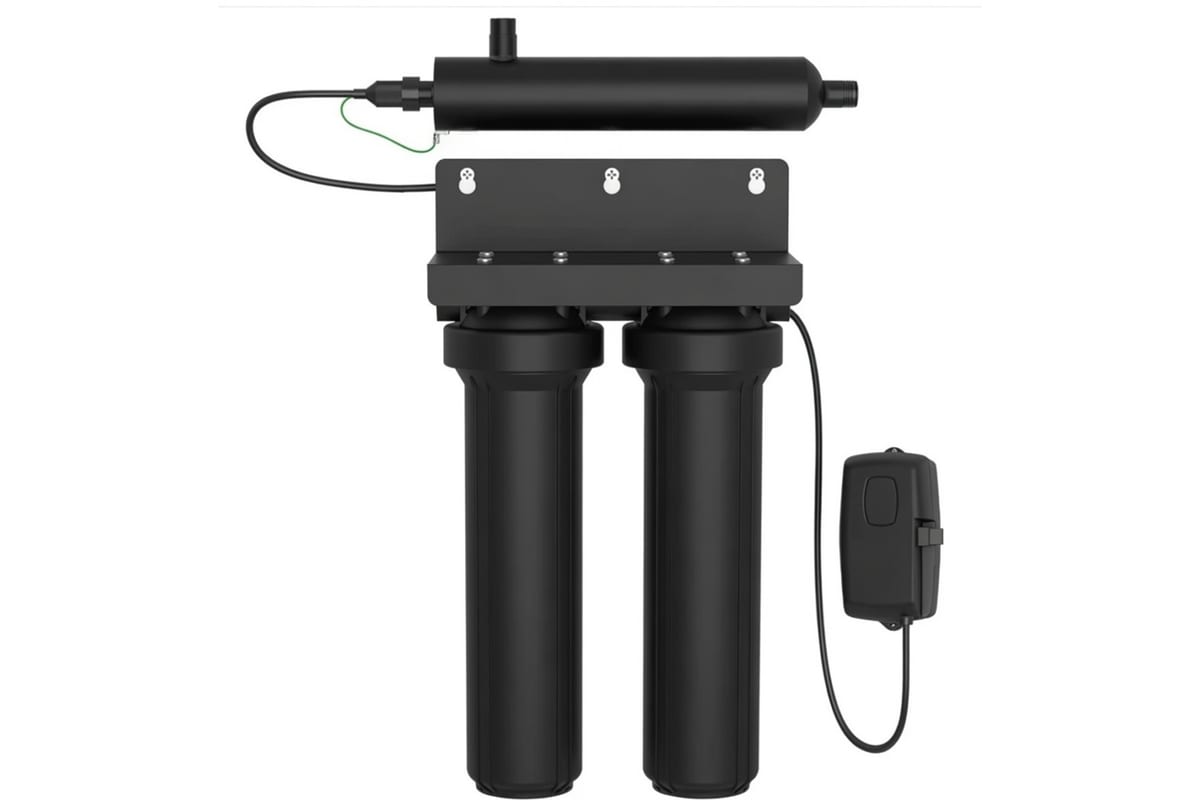
It is worth doing anyway. Sulfur bacteria are not the kind that make people ill, but finding them is a fair reason to run a coliform test, and repeat positives are what continuous UV disinfection exists for. Our water testing and analysis page covers which panel to ask for.
Get the Hot Water Answer Before You Spend Anything
The test costs nothing and it settles everything. Clean cold water means the money belongs at the water heater, and a plumber is the right call. Both taps smelling means the water itself needs treating, and that is our work.
We size and install iron and sulfur treatment for wells across Raleigh, Wake Forest, Holly Springs, Knightdale and the rest of the Triangle, and we read the water before quoting anything.
Call (984) 384-6991 or book a free consultation for an up-front written price.