Who Can Legally Install Water Treatment in NC
Raleigh Water Pros • September 20, 2026 • 10 min read
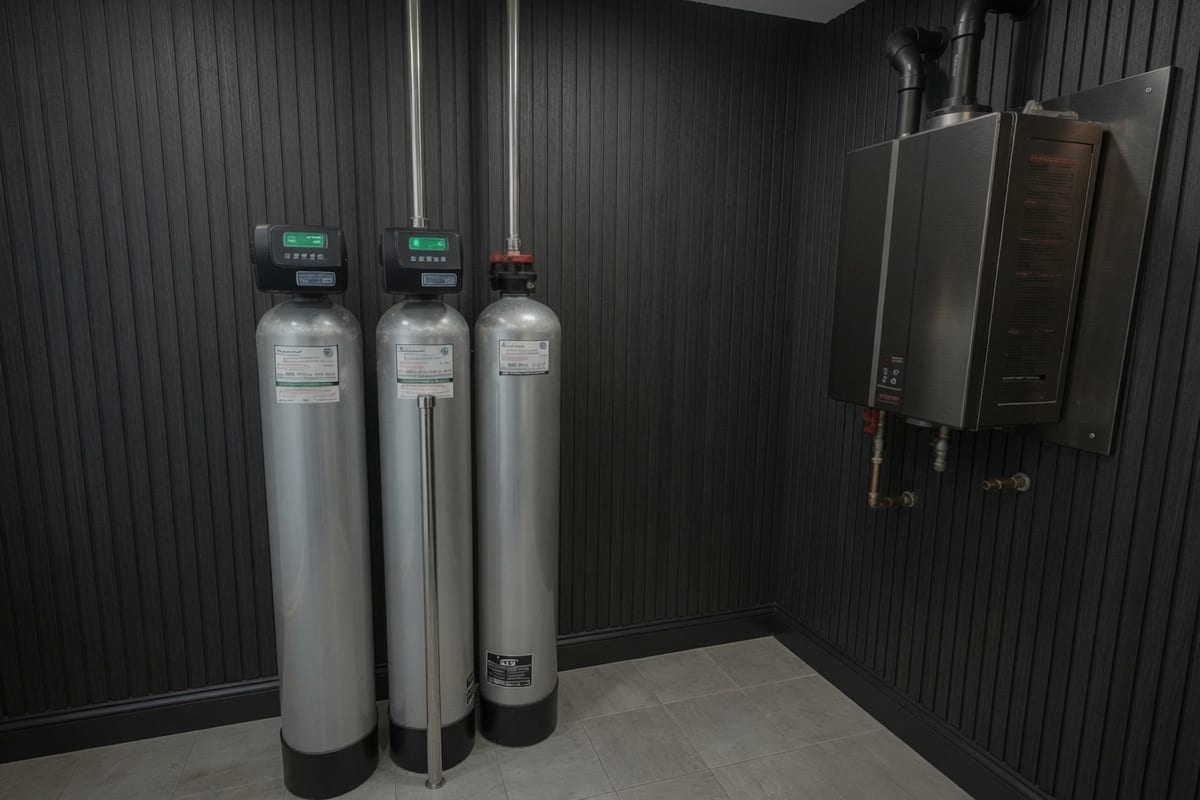
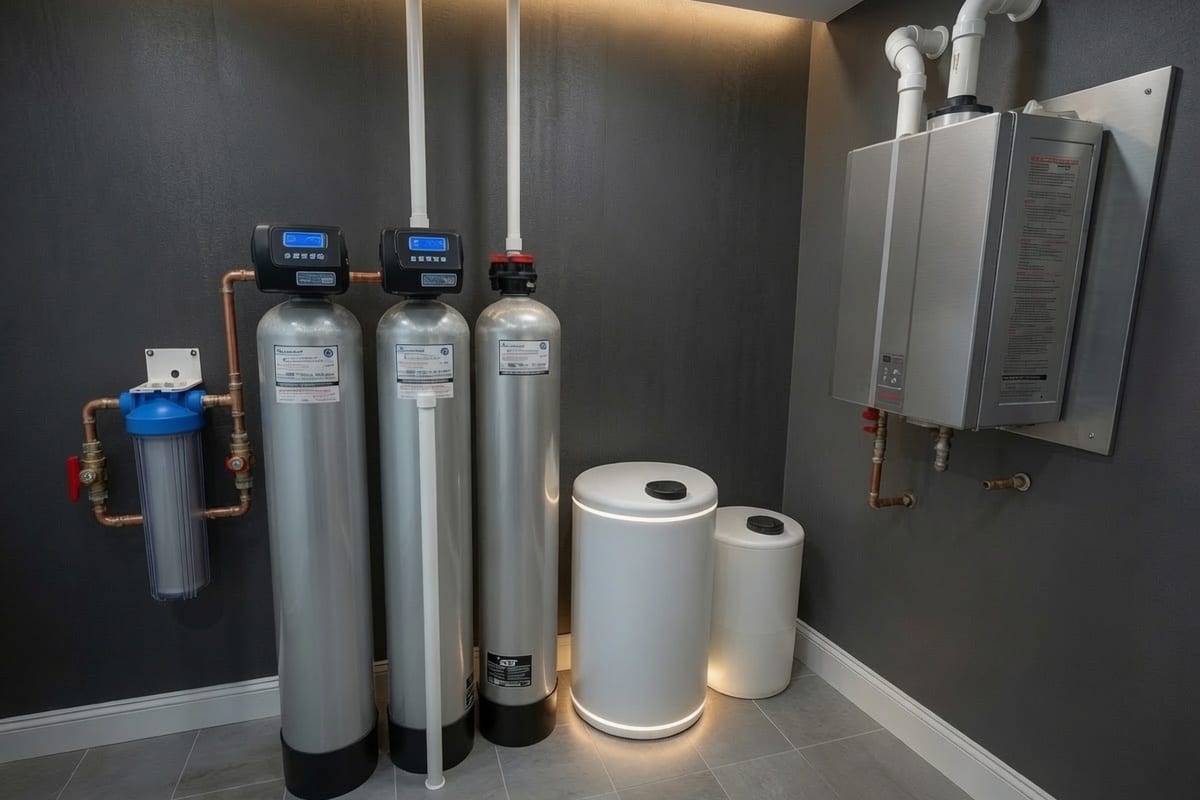
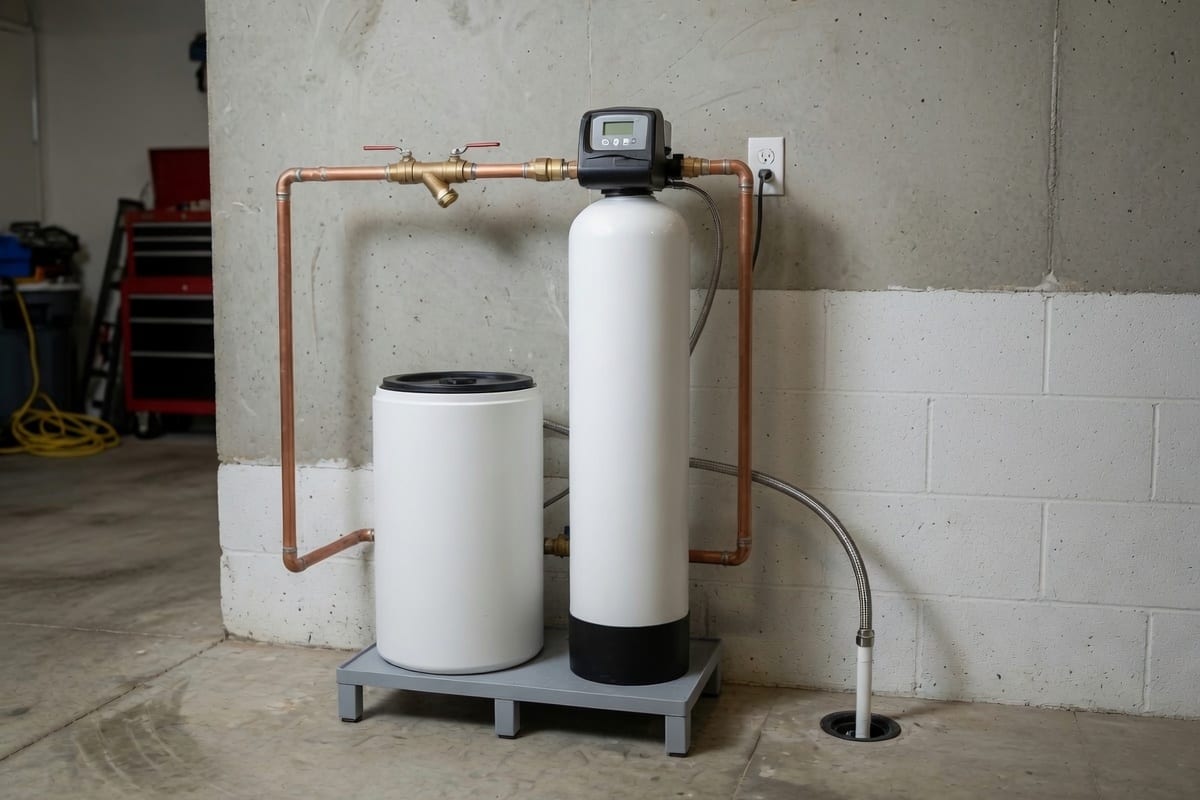
Ask the internet whether a water softener install needs a license in North Carolina and most of the first page says no, with nothing cited. The question of who can legally install water treatment in NC has an answer, and it sits in two documents anyone can open: a state statute, and a rule adopted by the board that enforces it.
North Carolina wrote whole-house water purification and treatment systems into the plumbing contracting statute in 2022, and the board’s rule says installing one is not a minor repair. Those two lines decide who may take money to put a softener, a carbon tank or a well treatment train on a house in Raleigh, Cary or Garner.
Below: what the statute says, what the minor repair rule closes off, what it means for a retail or handyman install, and how to check a license in two minutes.
Who can legally install water treatment in North Carolina?
A person, firm or corporation licensed by the State Board of Examiners of Plumbing, Heating and Fire Sprinkler Contractors, because the statute names whole-house water treatment as work inside the plumbing contracting article.
G.S. 87-21(c) reads: the provisions of the article “shall apply to all persons, firms, or corporations who engage in, or attempt to engage in, the business of plumbing, heating, or fire sprinkler contracting … which includes the installation or replacement of … water heaters, heat exchangers, or whole-house water purification or treatment systems, as well as the connection, repair, or alteration to the plumbing drainage, waste, or venting system or the potable water system.”
That phrase was not always there. House Bill 911, ratified 1 July 2022 and enacted as Session Law 2022-75, added it at section 12 (ncleg.gov, read 20 September 2026).
| The question | What North Carolina law says | Where |
|---|---|---|
| Is a whole-house treatment install licensed work? | Yes, it is named in the scope of the plumbing contracting article | G.S. 87-21(c) |
| Does a softener swap count as a minor repair? | No, not where it interrupts the potable water supply | 21 NCAC 50 .0506(c) |
| Is unlicensed contracting a crime? | Yes, a Class 2 misdemeanor | G.S. 87-25 |
| Is a building permit required too? | Varies by parcel, scope and jurisdiction; the local office decides | Local |
The license search below is the step that matters before you hire anyone. To start with the water instead, request a free consultation and we test first, then quote in writing.
Is swapping a softener a minor repair?
No, not once the work interrupts the potable water supply, and the board wrote a rule that says so in those words. 21 NCAC 50 .0506(c): “The installation of a water purification system which interrupts the potable water supply does not constitute a minor repair or replacement within the meaning of G.S. 87-21(c).”
The minor repair exemption is the one door out of the statute, and G.S. 87-21(c) defines it narrowly: “the replacement of parts in an installed system which do not require any change in energy source, fuel type, or routing or sizing of venting or piping. Parts shall include a compressor, coil, contactor, motor, or capacitor.” A softener and a carbon tank are not parts on that list.
The rule closes two more gaps: subsection (d) says any work requiring interruption of the potable water supply that, if poorly performed, risks contaminating it is not a minor repair. Subsection (f) says failing to list a type of work does not make it minor. So “the rule does not mention my exact setup” is answered inside the rule.
One boundary belongs to a different trade entirely: 21 NCAC 50 .0506(g) requires a plumbing license, or one under Article 7A of Chapter 87, for a person who installs pumps or pumping equipment, installs or breaks a well seal, or disinfects a well. That is a certified well contractor’s work.
What this means for a retail or handyman install
The statute does contain retailer exemptions, and reading them carefully is the point. G.S. 87-21(i) exempts a retailer selling a water heater who contracts with a licensee to install it, but only where the sales and installation contract is signed by buyer and retailer and “identifies the licensee and provides the licensee’s license number and telephone number.”
G.S. 87-21(j) exempts a retailer arranging a single family residential heating or cooling system, subject to five conditions, one being that “the person installing the system is licensed under this Article.”
Neither subsection mentions water purification or treatment. And in both, the exemption covers the retailer’s role in the transaction, not the person doing the work: the installer still holds the license. Our big box versus local installer comparison covers what each buying route includes.
For a handyman, the line is G.S. 87-25: engaging in, offering to engage in or carrying on the business of plumbing contracting without a license is a Class 2 misdemeanor, as is using an expired or revoked license. The same section says a bona fide employee of a licensee is not construed to be engaged in the business, which is how a licensed company’s crew works under one license.
Pro tip: the license number should already be on the paperwork in your hand. G.S. 87-21(e) requires the number to “appear on all proposals or contracts and requests for permits issued by municipalities.” A whole-house proposal with no license number on it is the first thing to ask about.
How do you check a contractor’s license in two minutes?
The board runs a free public search at public.nclicensing.org. All fields are optional but at least one must be entered, and it takes a license number, company name, person, phone, address or classification.
Three things to do with the result.
- Match the legal entity, not the logo. Search the name exactly as it appears on the quote. A license held by a different company is not your installer’s license.
- Read the classification. G.S. 87-21(b)(1) sets two main classes: Class I covers all structures, Class II covers plumbing and heating in single family detached residential dwellings.
- Confirm it is current. G.S. 87-25 treats use of an expired or revoked license the same as having none.
Run that search on every quote you are holding, and run it on this company too. A claim on a company’s own website, ours included, is not verification. The database is, it is free, and nobody needs our permission to open it. If something goes wrong later, G.S. 87-23 lets any person prefer charges in writing against a licensee. The license is one check among several, and our guide to choosing a water treatment company in Raleigh covers the others.
Does a water treatment install need a permit as well?
Licensing and permitting are two different questions with different answers. Permit requirements vary by parcel, by scope of work and by jurisdiction, and your city or county inspections office makes that determination, not the person holding the wrench.
The statute assumes permits exist: subsection (e) refers to permits issued by municipalities, and both retailer exemptions require compliance with all building code, permit and inspection requirements. A like-for-like swap in Cary and a new install cutting into the main in Wake Forest are not the same scope.
So the question is narrow: does this scope require a permit, who pulls it, and is the fee inside the price? Get that from the office that issues permits, and never accept a flat “no permit is needed” from anyone else.
| Ask for this in writing | Why it matters |
|---|---|
| The legal entity name and license number | G.S. 87-21(e) requires the number on proposals and contracts |
| Who physically performs the install | The licensee, or an employee working under that license |
| Permit position for your scope | Whether one is required, who pulls it, whether the fee is included |
| The water test the sizing came from | Equipment sized from a reading, not from a map |
| Equipment, labor, fittings, drain and startup | The installed price, not the shelf price |
| Who carries the labor warranty, by name | The entity you call in year two |
Equipment costs are a separate matter and sit on the Raleigh water filtration cost guide, where a whole-home softener runs $1,500 to $3,500 installed, a planning range rather than a quote.
Frequently Asked Questions
Do I need a licensed plumber to install a water softener in North Carolina?
The statute treats it as licensed work. G.S. 87-21(c) brings “whole-house water purification or treatment systems” inside the plumbing, heating and fire sprinkler contracting article, and 21 NCAC 50 .0506(c) says installing a purification system that interrupts the potable water supply is not a minor repair. Verify whoever you hire, us included, at the board’s public search first.
Can a handyman install a whole house filter in NC?
Not as a business without the license. G.S. 87-25 makes engaging in or offering to engage in plumbing contracting without a license a Class 2 misdemeanor, and the minor repair exemption does not reach a treatment install that interrupts the potable water supply.
Can I install my own water treatment system?
The statute regulates the business of contracting. G.S. 87-21(a)(5) defines that as this work done for valuable consideration, and deems anyone installing on property intended for sale or primarily for rental to be contracting regardless of payment. The parallel water heater rule, 21 NCAC 50 .0506(b), carves out one “installed by a property owner personally in property not intended or used for sale or rental.” Code, permit and inspection requirements are separate, and your inspections office in Garner decides those.
How do I check if a water treatment installer is licensed in NC?
Open the board’s public search, enter the company name or license number exactly as it appears on your quote, and read the classification and status. It is free and takes about two minutes. Do it for every quote you hold, in Holly Springs or anywhere in the Triangle, before a deposit rather than after.
Do I need a permit for a water softener install in Wake County?
That depends on your parcel and your scope of work, and Wake County or your municipality decides it rather than your installer. A drop-in replacement and a new install cutting into the potable water line are often handled differently. Ask the inspections office, then ask your installer who is pulling the permit.
What if the system was already installed by someone unlicensed?
Start with the water and the workmanship rather than the paperwork. Have the installation inspected and the water tested by a laboratory, not a sales demonstration. G.S. 87-23 lets any person prefer charges in writing against a licensee, and our guide to what a service visit should include covers a proper look at an existing system.
Sources
All read or checked 20 September 2026.
- G.S. 87-21: subsection (c) and its minor repair definition, the classes in (b)(1), the license number rule in (e), the retailer provisions in (i) and (j).
- House Bill 911, Session Law 2022-75, ratified 1 July 2022, section 12, which added the water purification language to G.S. 87-21(c).
- 21 NCAC 50 .0506, Minor Repairs and Alterations, subsections (b), (c), (d), (f) and (g).
- G.S. 87-25 for the Class 2 misdemeanor and employee exception, and G.S. 87-23 for charges and complaint records.
- The board’s public license search.
This is a plain-language summary of public records, not legal advice. The board and your local inspections office are the authorities here.
Getting Water Treatment Installed in the Triangle
If you are collecting quotes for a softener, a whole-house filter or well treatment in Raleigh, Cary, Apex or Wake Forest, two habits beat any sales visit: insist the sizing comes from a measured water test, and run the state license search yourself on every company in the pile, this one included.
We install and size whole house water filtration, softeners and well water treatment across the Triangle, and every job starts with water testing at your own tap. You get a free consultation and an up-front written price for only what the results support.
Call (984) 384-6991 or book a free consultation.